

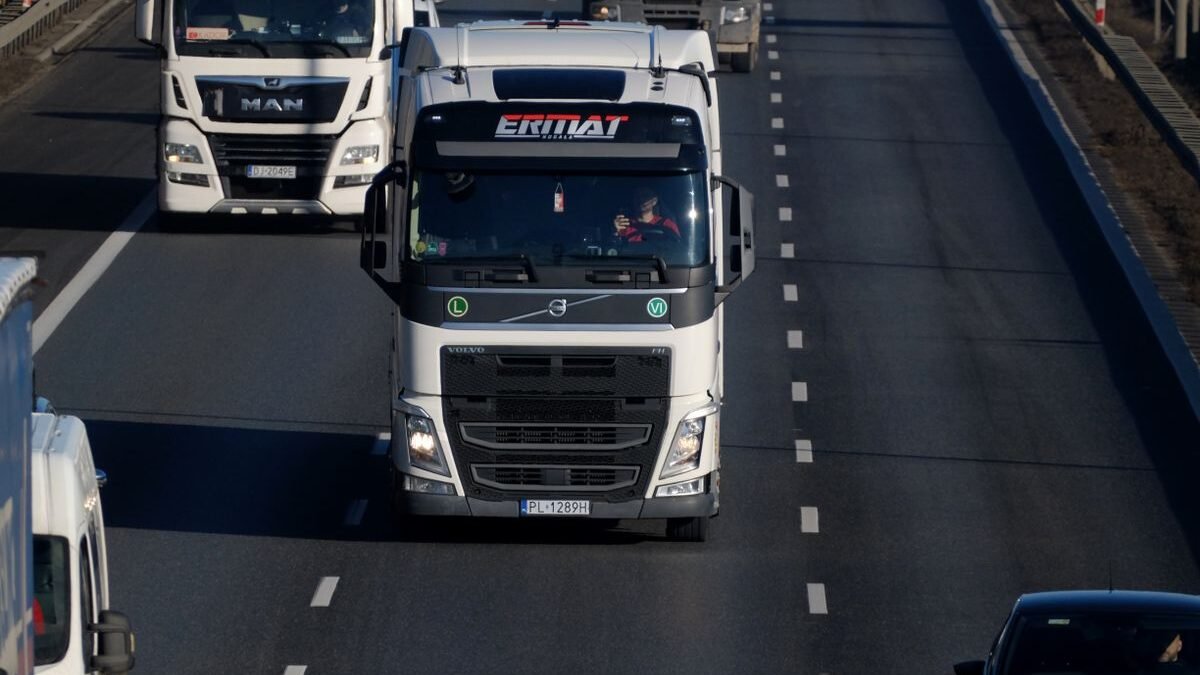
Trucking companies across Latvia, Lithuania and Estonia are heading into the winter shipping season short an estimated several thousand qualified drivers, a shortage that has built steadily over several years and is now colliding with seasonal demand increases that typically peak in the run-up to the holiday shopping period.
How the shortage developed
The gap has widened gradually since around 2021, driven by a combination of an aging driver workforce, insufficient new entrants into the profession, and steady emigration of experienced Baltic drivers to Western European companies offering higher wages. The pattern accelerated further as demand for freight transport grew alongside shifting trade patterns tied to Red Sea shipping disruptions earlier this year, which increased reliance on road transport for goods that previously moved more predictably through established shipping schedules.
Where the shortage is most acute
Industry associations report the gap is most severe for long-haul international routes, where drivers must be away from home for extended periods, a working condition increasingly unattractive to younger workers compared with domestic delivery roles offering more predictable schedules. Lithuania, home to the region’s largest road freight sector given its role as a transit hub between the EU and points further east, reports the most acute shortage in absolute numbers.
What companies are doing about it
Trucking firms have responded with a mix of strategies: raising wages faster than general sector inflation, recruiting drivers from outside the EU under work permit schemes, and investing in driver retention programmes aimed at reducing turnover among existing staff. Several larger companies have also begun exploring semi-autonomous convoy technology for long-haul routes, though industry representatives describe this as a longer-term solution unlikely to meaningfully ease this winter’s immediate pressure.
How this connects to broader infrastructure investment
Some logistics operators argue the shortage strengthens the case for accelerating rail freight alternatives, including Rail Baltica’s developing freight capability, as a way to reduce dependence on road transport for at least some categories of cargo, though most acknowledge rail alternatives remain years away from meaningfully offsetting the current driver shortage.
What it means for winter shipping
Industry representatives warn that the combination of driver shortages and seasonal demand increases could translate into longer delivery times and higher shipping costs for retailers and manufacturers over the coming months. The Latvian Road Carriers Association estimates the country alone is short roughly 1,800 qualified drivers relative to current demand, a figure the association says has roughly doubled over the past four years despite recruitment campaigns and expanded vocational training programmes. Similar shortages have been reported across most of the EU, though Baltic operators say competition for drivers from higher-paying Western European firms makes the regional shortage particularly difficult to address through wage increases alone. Vocational schools across the region report growing enrollment in commercial driving certification programmes, partly a response to industry recruitment campaigns and partly reflecting genuine wage growth in a profession that, despite its current shortage, offers relatively accessible entry-level pay compared with other trades requiring similar training periods.