

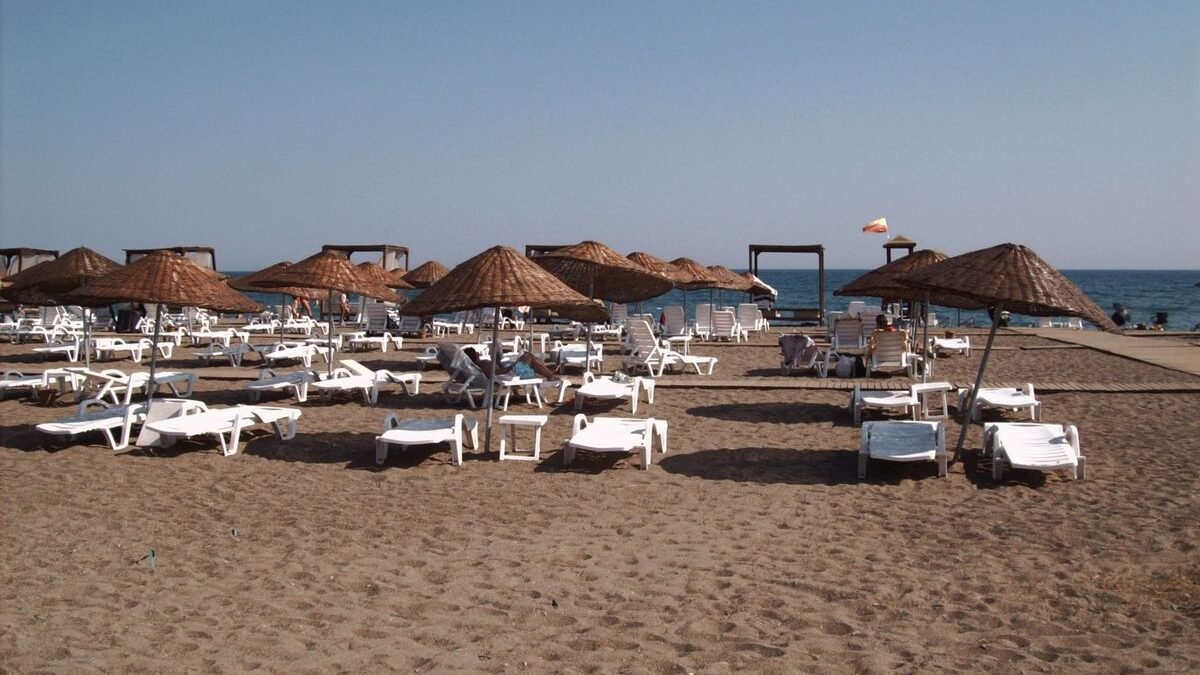
As temperatures across the Baltic Sea coast climb into the mid-20s this week, tourism boards in Latvia, Lithuania and Estonia are reporting some of the busiest early-July bookings in years — a signal, industry watchers say, that the region’s beaches are shedding their reputation as a niche, cold-water alternative to the Mediterranean.
Jūrmala’s steady pull
Jūrmala, the 32-kilometre strip of beach and pine forest just west of Riga, remains the single biggest draw for domestic and regional visitors. “We’re seeing more overnight stays than day-trippers this year, which tells us people are treating Jūrmala as a proper holiday destination rather than a weekend escape from the city,” said Laura Students-Ķuze, head of the Jūrmala Tourism Information Centre, noting a roughly 9% rise in hotel occupancy compared with the same week last year.
Pärnu and the rise of Estonia’s “summer capital”
In Estonia, Pärnu continues to lean into its long-standing nickname as the country’s summer capital, with the city’s tourism department reporting strong demand from Finnish and Swedish visitors arriving via the ferry connections from Helsinki and Stockholm. Kadri Tamm, a tourism development adviser at Visit Pärnu, points to shoulder-season investment paying off: “We extended the boardwalk and added new beach volleyball courts two years ago, and this is really the first summer we’re seeing the return on that in visitor numbers.”
Palanga and Lithuania’s coastal squeeze
Lithuania’s Palanga faces a different challenge: capacity. Local officials say the resort town, which swells from around 17,000 residents to more than 150,000 visitors at peak weekends, is nearing the limits of its parking and water infrastructure. Vytautas Grubliauskas, an adviser to the Palanga municipality, said new investment in wastewater treatment approved last year should ease pressure, “but this July and August will still test the system before the upgrades are finished.”
What’s drawing people north
Tourism economists point to a mix of factors: warmer average sea temperatures in the Baltic Sea, cheaper flight connections into Riga, Vilnius and Tallinn from Western Europe, and price sensitivity as southern European destinations like Spain and Greece grow more expensive and, in peak weeks, more crowded. Kristiina Uibo, a tourism researcher at the University of Tartu, argues the shift is also generational: “Younger travellers increasingly value quieter beaches and shorter flights over guaranteed 30-degree heat.”
Price remains part of the appeal. A week-long family stay in Jūrmala or Pärnu still runs noticeably cheaper than a comparable coastal break in Croatia or southern France, even after this year’s modest rise in regional hotel rates, tourism boards say.
The one wrinkle: marine scientists are tracking a mild heatwave moving through the Baltic Sea’s surface waters this month, which could affect both swimming conditions and algae levels later in the season, a trend most coastal towns are monitoring closely as they plan for August’s peak crowds.
Whatever the mix of reasons, hotel associations across all three capitals report bookings running ahead of 2025 levels for July and August, giving coastal towns a rare run of consecutive strong summers after a slower pandemic-era recovery.