

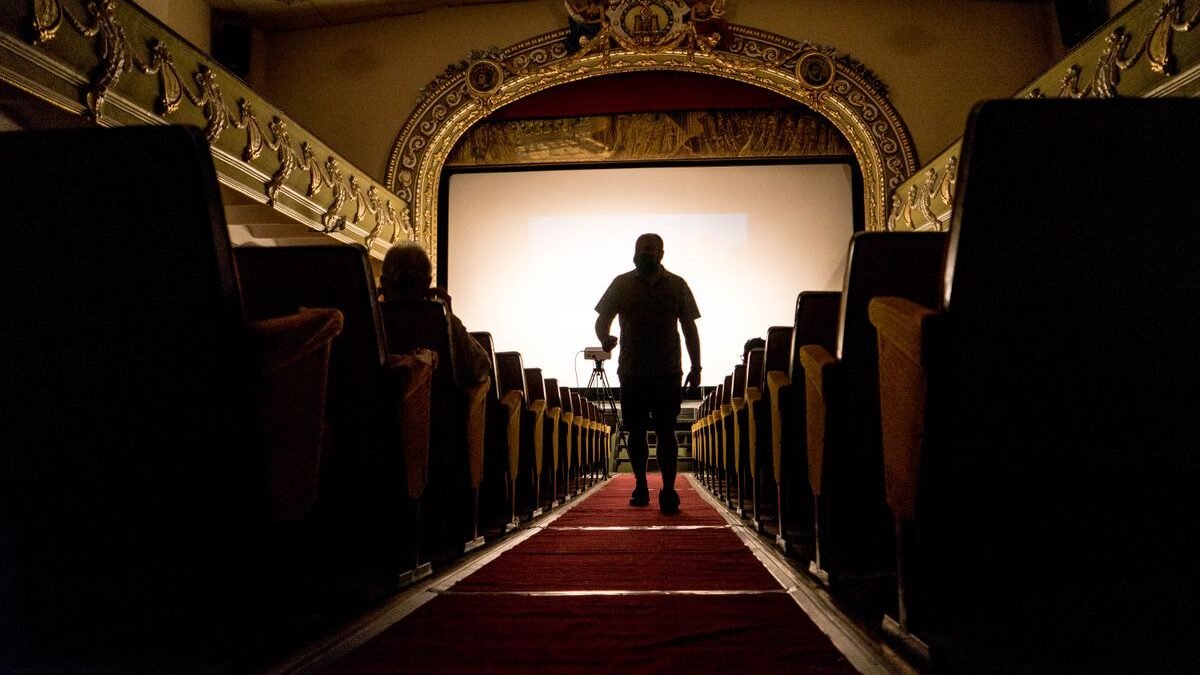
Red carpets rolled out across Tallinn tonight as the city’s Black Nights Film Festival, known locally as PÖFF, opened its 30th edition with a gala screening drawing filmmakers, critics and audiences from across Europe to what has grown into one of the largest film festivals in northern Europe.
Three decades of growth
PÖFF began modestly in 1997, screening a small selection of films for local audiences during Tallinn’s darkest weeks of the year, a scheduling choice organisers made deliberately to give the city a cultural draw during its least tourist-friendly season. Three decades later, the festival has grown into an accredited A-list event on the international festival circuit, drawing hundreds of film submissions and major international premieres each year.
What makes this year’s edition significant
Festival director Tiina Lokk, who has led PÖFF since its founding, said the 30th anniversary programme deliberately balances celebration of the festival’s history with a forward-looking selection of new work. “We wanted this edition to feel like both a milestone and a genuine step forward for what the festival can be, not just a retrospective exercise,” she said at tonight’s opening.
What’s on this year’s programme
This year’s selection spans over 250 films across multiple competition strands, alongside industry events connecting Baltic and Nordic film professionals with international distributors and financiers, part of the festival’s dual role as both a public cultural event and an increasingly significant industry gathering for the region’s growing film production sector.
Why the timing still matters
The festival’s original scheduling logic — offering Tallinn a cultural anchor during its darkest, quietest weeks — remains as relevant now as it was in 1997, organisers say, with the festival’s roughly two-week run coinciding with exactly the stretch of the calendar public health officials have flagged as the most psychologically demanding, giving the city’s cultural life a deliberate counterweight to the season’s darkness, much as this year’s summer festival season did in the opposite direction.
What audiences can expect this year
Beyond the main competition programme, this year’s edition includes an expanded youth and family film strand, additional genre film programming under the festival’s horror and fantasy sidebar, and a series of retrospective screenings marking the festival’s three decades, giving longtime attendees a chance to revisit films that shaped PÖFF’s identity alongside the newest work competing for this year’s awards. Ticket sales for this year’s opening weekend reportedly outpaced the previous edition’s, festival organisers said, attributing the stronger demand partly to the anniversary milestone and partly to a broader post-pandemic recovery in cultural event attendance that has gradually strengthened across the Baltic states over the past several years. The festival runs through most of November, with the closing awards ceremony scheduled for later in the month. Local hospitality businesses report a noticeable boost in bookings tied specifically to the festival’s opening weeks, part of a broader pattern in which PÖFF now functions as a meaningful driver of off-season visitor spending for a city whose tourism calendar otherwise thins considerably once the Christmas market season has not yet begun.