

July is the Baltic states’ busiest month for outdoor culture, and this year’s festival calendar across Latvia, Lithuania and Estonia is arriving with a run of dates worth planning around, from open-air jazz to century-old song traditions.
Early July: jazz and city stages
The month opens with Kaunas’ outdoor jazz series along the Nemunas riverfront, running through July 5, followed closely by Rīgas Ritmi, Latvia’s long-running world and jazz festival, which brings performers from across Europe to venues around the capital’s Art Nouveau district from July 8–12.
Mid-July: the big outdoor draws
Estonia’s calendar turns toward its largest gathering of the summer in mid-July, when Pärnu and Tallinn host a run of open-air concerts tied to the country’s song festival tradition — smaller in scale this year than the full Laulupidu, which last took place in 2025, but still drawing tens of thousands to Tallinn’s Song Festival Grounds for a mid-month weekend of choral and folk performances.
Lithuania’s Vilnius Festival, running through most of July, continues its mix of classical and contemporary programming in courtyards across the Old Town, with several free outdoor performances scheduled for the third week of the month.
Late July: coastal and countryside events
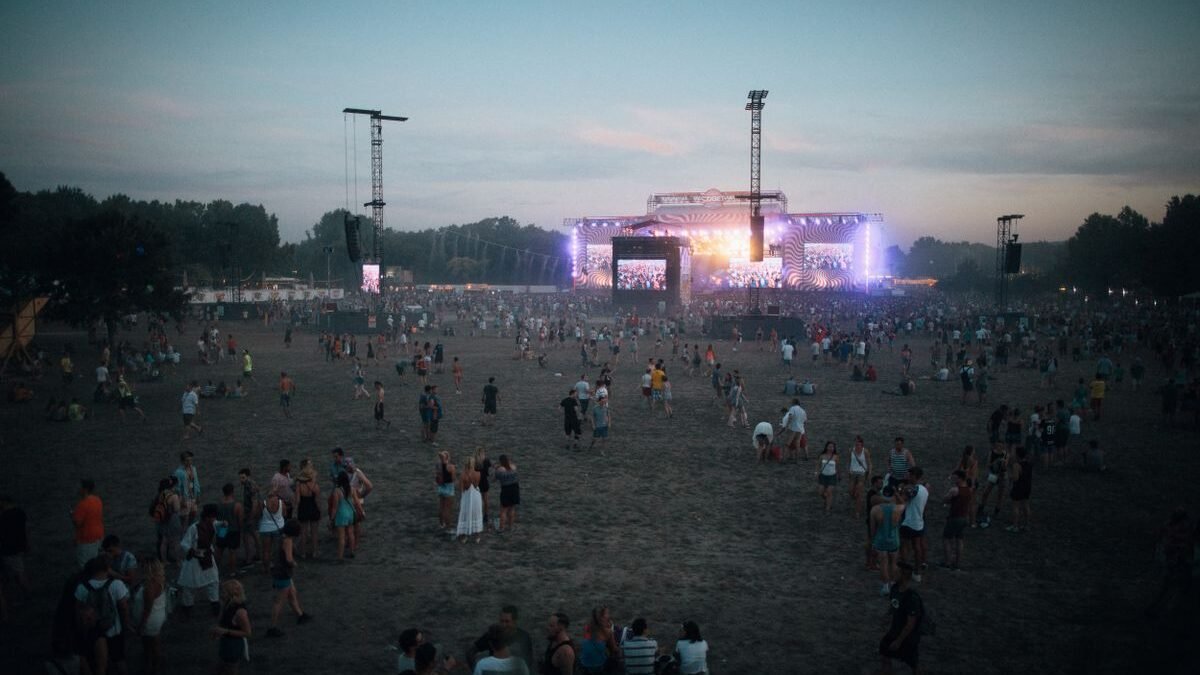
As the month closes, attention shifts to the coast and countryside. Latvia’s Positivus festival — now well established as one of the region’s biggest contemporary music draws — takes over Zvejniekciems on the Vidzeme coast for a three-day run in the final week of July, with this year’s lineup weighted toward European indie and electronic acts. Estonia’s Viljandi Folk Music Festival rounds out the month with traditional Baltic and Nordic folk performances in the town’s medieval castle grounds. Ticket prices for the region’s biggest draws, including Positivus, have risen roughly 8% since last year, organisers say, reflecting higher costs for touring international acts, though prices remain below comparable festivals in Germany or the Netherlands.
Planning around the crowds
Tourism officials in all three capitals note that accommodation around festival weekends books out well in advance, particularly in Pärnu and along Latvia’s Vidzeme coast, where festival-goers often combine concerts with beach time. Given the strong early-season demand already reported by coastal resorts this summer, visitors hoping to combine a festival weekend with a few days by the sea are being advised to book lodging at least a month ahead, especially around the Positivus and Viljandi dates in late July.
Organisers across the three countries also report a growing share of foreign attendees booking directly rather than through package tours, which local tourism boards read as a sign that Baltic festivals are increasingly seen as standalone destinations rather than add-ons to a wider European tour.
Transport links help make festival-hopping across the three countries increasingly feasible: direct bus and rail connections between Riga, Vilnius and Tallinn have expanded in recent years, letting visitors realistically combine a weekend in Kaunas with a following week on Latvia’s coast. For those weighing where to base a Baltic summer trip, this year’s look at where locals and tourists are spending their beach days offers a useful companion guide to the festival calendar.