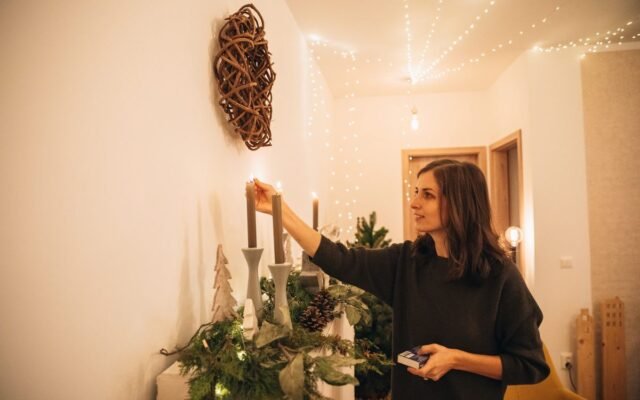


Ieva Bērzkalne spent last weekend carving pumpkins with her two children in their Riga apartment, a small domestic ritual that would have been unusual in Latvia a generation ago but has become an increasingly familiar part of late October across the Baltic states.
A tradition still finding its place
Halloween arrived in the Baltics gradually rather than all at once, spreading initially through international schools and expatriate communities in the 1990s and 2000s before gaining broader traction over the past decade, particularly among younger families exposed to the holiday through American film and television. Unlike the region’s deeply rooted seasonal traditions, discussed in recent coverage of Baltic cultural preservation efforts, Halloween carries no local historical roots, existing instead as a straightforwardly imported celebration.
How retailers have embraced it
Major shopping centres across Riga, Vilnius and Tallinn have expanded Halloween-themed merchandising noticeably over the past several years, retailers say, treating it as a useful seasonal sales opportunity in the quieter retail period between the end of summer tourism season and the start of Christmas shopping. Costume shops report their strongest sales window of the autumn now falls in the final week of October rather than being spread more thinly across the season.
Not everyone has embraced the shift
The holiday’s rise hasn’t been universally welcomed. Cultural traditionalists in all three countries have periodically raised concerns about Halloween displacing or overshadowing existing autumn folk traditions, though most cultural commentators describe the concern as somewhat overstated given that Halloween has generally added to, rather than replaced, the region’s existing autumn calendar of harvest festivals and commemorative dates.
What families like Bērzkalne’s make of it
For Bērzkalne, the appeal is straightforwardly practical rather than cultural. “My kids see it everywhere, at school, on television, and they want to take part like their friends do. I don’t think it’s replacing anything, it’s just one more fun thing we do in October now,” she said, echoing a sentiment several other parents interviewed this week expressed in similar terms.
A holiday still settling into its own local shape
Rather than adopting Halloween wholesale, some Baltic communities have begun blending it with existing local traditions, with several municipalities organising combined harvest-and-Halloween events that pair pumpkin carving and costume parades with more traditional autumn craft markets, a hybrid approach several event organisers describe as a distinctly Baltic adaptation of an otherwise imported holiday. Market research commissioned by a major Baltic retail association found that roughly 40% of families with young children now participate in some form of Halloween activity, up from under 15% a decade ago, a shift researchers attribute largely to generational turnover among parents. Whether the tradition continues to grow or settles into its current modest scale remains an open question retailers and cultural observers alike say they’ll only be able to answer after several more years of tracking. Schools in several municipalities have begun incorporating pumpkin-carving and costume-making into arts and crafts lessons during the final week of October, a small curricular accommodation teachers say reflects how thoroughly the holiday has embedded itself into children’s expectations of the season, regardless of its imported origins.