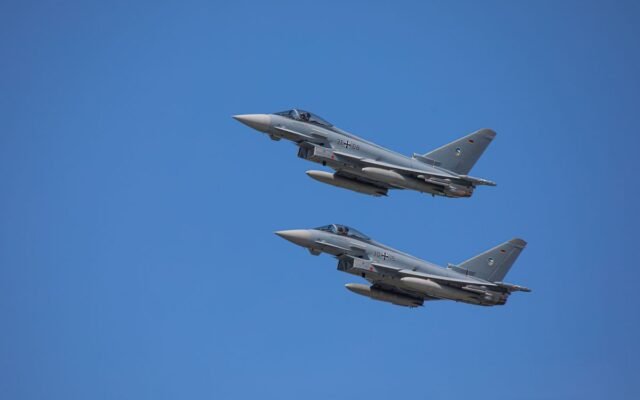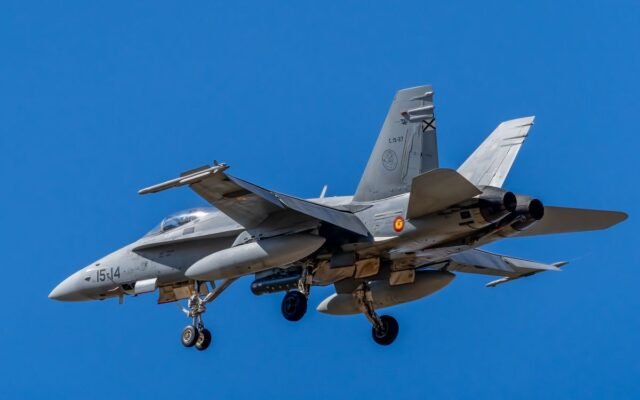

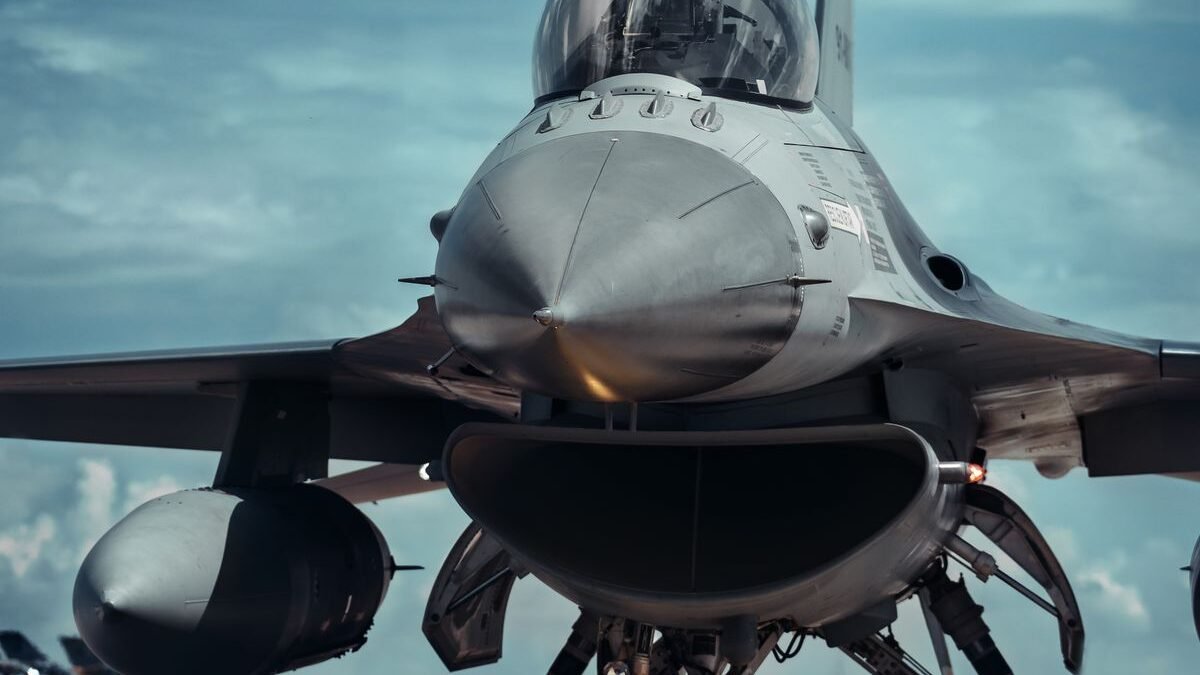
A fresh squadron of fighter jets touched down at Estonia’s Ämari Air Base this week, the latest rotation in NATO’s Baltic air-policing mission — a nearly continuous presence over Baltic skies that has run, in one form or another, since all three countries joined the alliance in 2004.
- NATO’s Baltic air-policing mission has operated continuously since Estonia, Latvia and Lithuania joined the alliance in March 2004
- Aircraft rotate through Ämari Air Base in Estonia and Šiauliai Air Base in Lithuania on typically four-month deployment cycles
- The mission has scrambled to intercept unidentified aircraft, mostly Russian military flights, several hundred times over the past decade
- Roughly a dozen NATO member states have contributed aircraft to the rotation since the mission began
How the mission has evolved since 2004
What began as a modest four-aircraft rotation, seen at the time as a largely symbolic gesture confirming the Baltic states’ new NATO membership, has grown substantially in scale and frequency since 2014, and again since 2022. Additional aircraft, expanded basing at Šiauliai in Lithuania, and more frequent scramble responses to Russian military flights near Baltic airspace have all become part of what officials now describe as a genuinely operational mission rather than a token presence.
This rotation’s specifics
The newly arrived squadron, contributed by a rotating NATO member nation, brings additional fourth-generation multirole fighters to the Ämari and Šiauliai bases for a four-month deployment. Pilots and ground crews describe a mission that combines routine training patrols with rapid-response readiness, scrambling within minutes when radar detects unidentified aircraft approaching Baltic airspace without a filed flight plan or transponder signal. Estonia’s air force reports that scramble responses to unidentified aircraft have become noticeably more frequent over the past three years, rising from roughly a dozen incidents annually before 2022 to several dozen in each of the past two years.
Why the mission matters more now
The rotation lands amid a broader push, discussed at length during July’s NATO summit in Ankara, to reinforce the alliance’s eastern flank as the Baltic states continue climbing toward NATO’s 5% defence spending target. Air-policing officials describe the mission as one of the more visible, tangible expressions of allied commitment to the region, distinct from ground troop deployments or equipment sales.
What comes next
The current rotation is expected to continue on its standard four-month cycle, with the next handover scheduled for early winter. Local communities near both air bases have grown accustomed to the periodic noise of scrambled jets, with municipal officials in both Estonia and Lithuania saying public support for the mission remains high despite the disruption, viewed broadly as a visible reassurance of allied commitment rather than a nuisance. Baltic defence ministries have also used recent rotations to test integration between allied aircraft and domestically operated ground-based air defence systems, part of a broader push toward what officials describe as a genuinely layered air defence posture rather than fighter jets and ground systems operating as separate, poorly coordinated programmes.