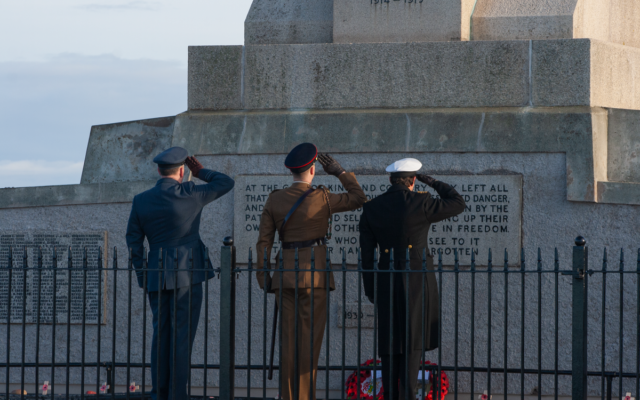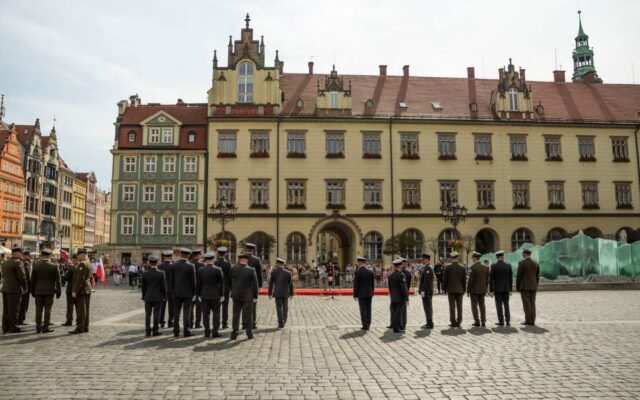

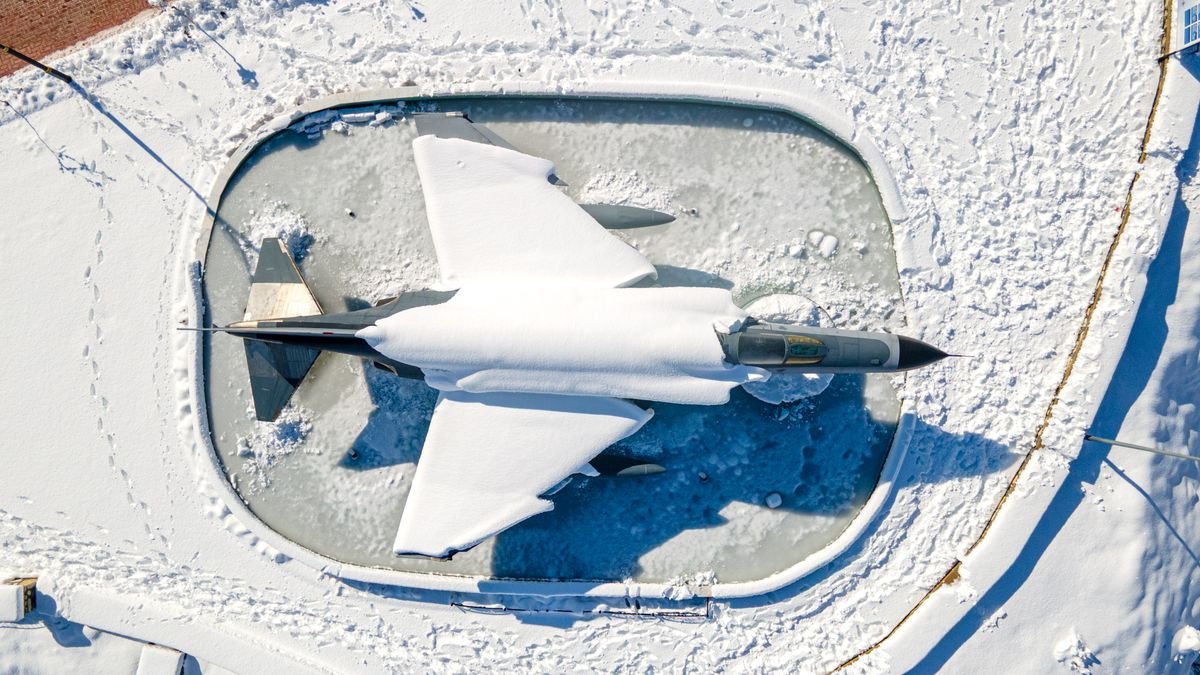
A new rotation of NATO fighter squadrons arrived at Baltic air bases this week, the alliance’s routine seasonal handover for its air-policing mission, though this year’s rotation carries added attention given the steady rise in scramble responses documented through the autumn.
A rotation shaped by a busier year
This winter’s incoming squadrons arrive with expanded readiness protocols compared with previous rotations, reflecting the pattern of increased Russian military flight activity and drone incursions documented in earlier coverage of the mission over the summer and autumn. Alliance officials say the incoming units have received additional briefing on the specific pattern of incidents recorded in the region this year before beginning their deployment.
Why winter rotations carry particular weight
Winter presents distinct operational challenges for the mission, with shorter daylight hours and more frequent poor-weather conditions complicating both routine patrols and rapid-response scrambles. Pilots rotating into the mission for the winter cycle typically undergo additional cold-weather and low-visibility training specific to Baltic conditions before beginning operational duties.
The broader trend this rotation reflects
Baltic air-policing has grown steadily in scale and operational tempo nearly every year since 2014, and this winter’s rotation continues that trajectory rather than marking any dramatic departure, alliance officials say, describing the mission’s expansion as a gradual, sustained response to a security environment that has itself steadily intensified rather than any single triggering event.
What allied officials are emphasising publicly
NATO officials have used this rotation’s handover ceremony to reiterate the alliance’s broader commitment to eastern flank reinforcement, framing the routine seasonal rotation explicitly within the context of commitments made at July’s Ankara summit and the region’s own steadily rising defence spending trajectory, treating even a standard operational handover as an opportunity to signal continued resolve.
What comes next for the mission
The incoming squadrons are expected to remain deployed through the winter months before the next standard rotation in spring, with alliance planners already reportedly discussing whether the mission’s scale should expand further given the pattern of incidents recorded this year, a decision expected to factor into broader eastern flank force posture discussions in the coming months. Local officials near both Ämari and Šiauliai air bases report the rotation has proceeded with the now-familiar mix of public curiosity and routine acceptance that has characterised the mission’s presence in recent years, with community liaison officers holding informational sessions for residents about noise expectations and safety protocols during the incoming squadron’s deployment period. Officials from the incoming squadron’s home country have also used the rotation to hold joint training exercises with host-nation Baltic air forces, part of a broader push toward deeper interoperability between allied and domestic air defence systems. Defence correspondents covering the handover noted that this year’s ceremony drew a larger contingent of visiting officials than in past rotations, a small but symbolically notable sign of how much attention the mission now commands compared with its comparatively low-profile early years.