
As winter approaches and the pace of hybrid incidents along the eastern border shows no sign of slowing, Latvia, Lithuania and Estonia have each accelerated investment in civil defence infrastructure this autumn, from public shelter mapping to household emergency preparedness campaigns rarely seen in the region since the Cold War.
- Estonia has mapped and designated over 1,000 public buildings as potential emergency shelters since 2023
- Lithuania’s civil protection budget has roughly tripled since 2021
- Latvia distributed household emergency preparedness guidance to over 800,000 households this year
- All three countries require mandatory civil protection instruction as part of national school curricula
Why shelters are back on the political agenda
Civil defence planning largely fell out of active policy discussion after the Cold War, treated as a legacy concern rather than a genuine planning priority for a generation. That changed sharply after 2022, and this year’s steady stream of drone incursions and infrastructure disruptions documented in recent border security coverage has pushed shelter and preparedness planning from a theoretical exercise into active budget line items across all three governments.
What’s actually being built
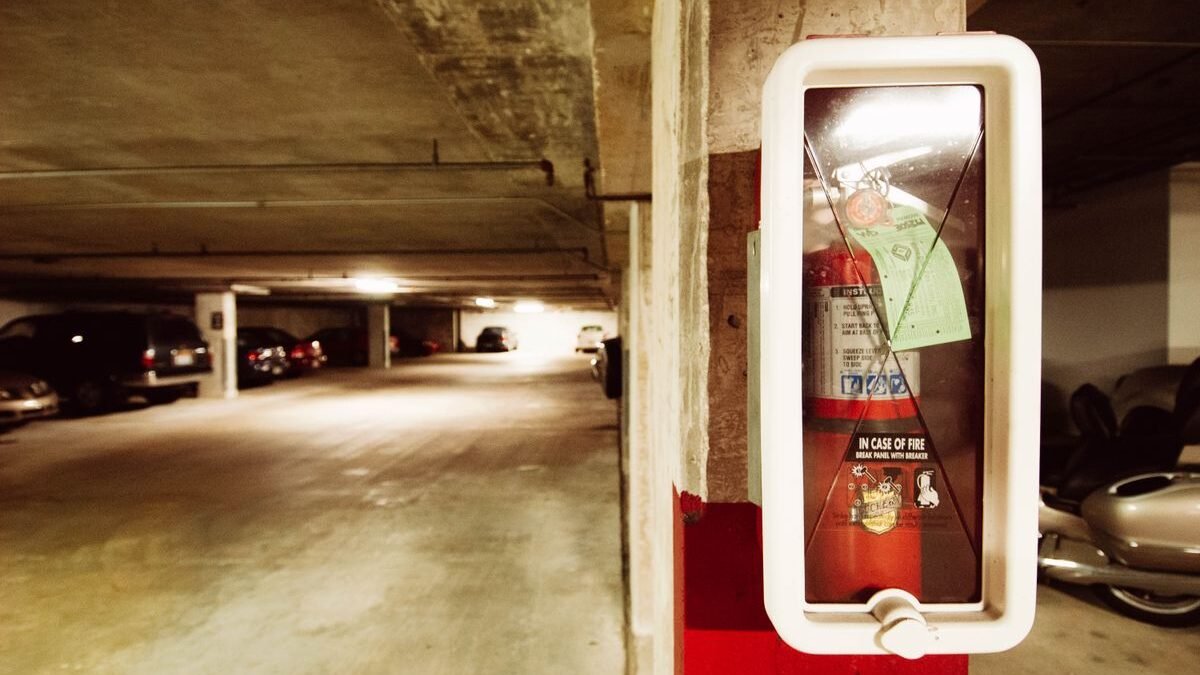
Rather than constructing new dedicated bunkers, most current investment focuses on identifying, reinforcing and stocking existing basements, parking structures and public buildings capable of serving as shelters during an emergency, a more cost-effective approach than large-scale new construction. Estonia’s Rescue Board has led the most systematic effort, publishing an online shelter map that lets residents identify their nearest designated location, a tool officials say has been accessed by a growing share of the population since its launch.
How this connects to the region’s broader defence posture
Civil defence investment runs alongside, rather than instead of, the military readiness improvements documented in coverage of NATO’s air-policing mission and broader defence spending increases, with officials describing the two tracks as complementary parts of a single, comprehensive resilience strategy rather than separate priorities competing for the same funding.
What ordinary residents are being asked to do
Beyond government infrastructure investment, all three countries have expanded public information campaigns encouraging households to maintain basic emergency supplies, water, food and communication equipment sufficient for at least 72 hours without external support, guidance modelled partly on similar campaigns in Finland and Sweden, countries with longer, more continuous traditions of civil defence planning.
How seriously the public is taking it
Surveys conducted by national civil protection agencies suggest awareness of shelter locations and emergency guidance has grown substantially since 2022, though actual household preparedness, measured by whether families have assembled recommended emergency supplies, still lags behind stated awareness in all three countries, a gap officials attribute to the ordinary difficulty of translating abstract risk awareness into concrete household action. Municipal governments have taken varying approaches to implementation, with larger cities generally further along in shelter designation and public communication than smaller towns and rural municipalities, a disparity national civil protection agencies say they are working to address through additional funding and technical support directed specifically at smaller local governments with fewer resources of their own.