

Meteorologists across Latvia, Lithuania and Estonia are forecasting the region’s first significant snowfall of the season within the coming week, arriving earlier than the recent seasonal average and prompting energy planners to reassess winter demand projections just as household heating season moves into full swing.
- The forecast first snowfall is arriving roughly ten days earlier than the 2010-2025 average across the region
- Baltic electricity demand typically rises 20-30% during peak winter cold snaps compared with autumn baseline levels
- Regional grid operators maintain interconnection capacity with the Nordic grid to help manage peak winter demand
- Early snowfall does not reliably predict overall winter severity, according to regional meteorological services
Why an early snowfall matters for energy planning
Grid operators say the specific timing of first snowfall matters less on its own than what it signals about the broader weather pattern shaping the coming weeks, with this year’s early cold snap prompting closer monitoring of whether it represents an early but ultimately typical winter or the beginning of a more sustained, unusually severe cold pattern.
How this connects to this year’s energy cost questions
The forecast arrives just as households navigate the winter tariff decisions discussed in earlier coverage of this year’s energy price outlook, with an unusually cold winter carrying the potential to push actual household bills toward the higher end of the ranges suppliers projected back in August, when the overall wholesale price picture looked comparatively calm.
What the region’s grid infrastructure means for resilience
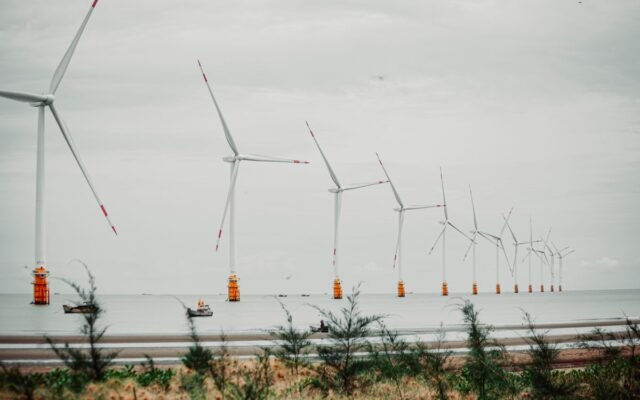
Regional grid operators point to continued expansion of interconnection capacity with the Nordic electricity market, alongside the growing renewable capacity coming online through projects like the offshore wind developments detailed in recent coverage, as factors that should help the region manage demand spikes more smoothly than in some previous winters, even if this year’s cold arrives earlier than usual.
What households can expect in the near term
Energy suppliers say the early cold snap alone doesn’t necessarily change overall winter cost projections, since Baltic winters routinely include periods of significant cold regardless of when the first snow specifically arrives, but they acknowledge sustained early cold could accelerate heating demand and associated costs earlier in the season than households might have budgeted for based on typical seasonal patterns.
What meteorologists are watching next
Regional forecasters caution against reading too much into a single early snowfall event, noting that historical data shows only a weak correlation between early first snow and overall winter severity, though they acknowledge public and media attention to the forecast reflects genuine, understandable anxiety about energy costs this particular year given the broader currency and price pressures already shaping household budgets. Municipal snow removal and road maintenance crews across all three countries have also begun early-season readiness checks earlier than usual this year, a precautionary step officials describe as standard practice whenever forecasts point to an earlier-than-typical start to winter conditions, regardless of how the rest of the season ultimately unfolds. Ski resort operators in the region’s few winter sports areas welcomed the early forecast, hoping for a longer season after several recent years of later, shorter snow cover that shortened their typical operating window.