

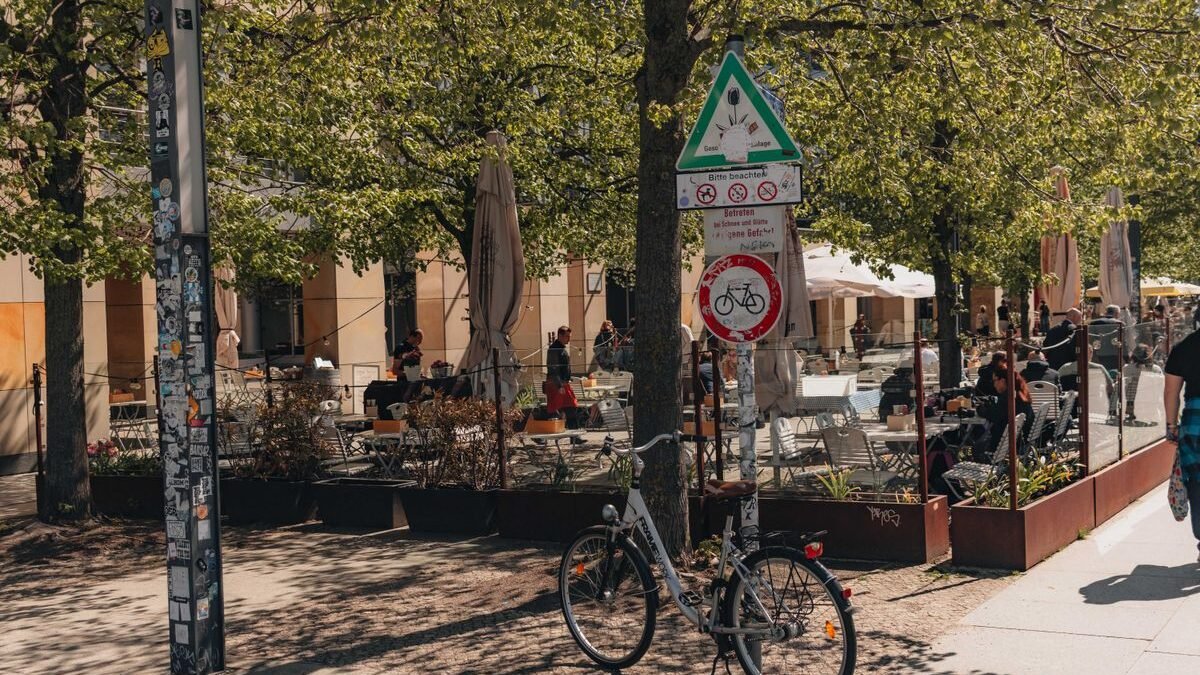
Central streets in Riga, Vilnius and Tallinn are closing to car traffic this week for European Mobility Week, an EU-wide initiative now in its third decade, but this year’s events carry more practical weight than in the past as all three capitals weigh permanent, rather than temporary, expansions of car-free and low-traffic zones.
What’s different about this year’s events
Where previous editions of Mobility Week functioned largely as symbolic, single-day demonstrations, city planning officials in all three capitals describe this year’s programming as more directly tied to permanent policy decisions under active consideration. Riga’s city council is weighing a proposal to make several already-restricted central streets permanently car-free, using this week’s temporary closures partly as a public consultation exercise.
The data driving the debate
Traffic planning officials point to steadily rising cycling and public transport ridership figures in all three capitals over the past five years as evidence that demand for alternatives to car travel has grown enough to justify permanent infrastructure changes. Vilnius, which introduced an expanded bike lane network in 2023, reports cycling trips in the city centre have grown by roughly a third since the network’s completion. Tallinn’s transport department reports public transport usage has grown roughly 15% since the city made all public transit free for registered residents nearly a decade ago.
Where resistance remains
Not every stakeholder is convinced. Retail associations in central Riga and Vilnius have expressed concern that permanent car-free expansion could reduce foot traffic to shops reliant on customers arriving by car, a concern city officials say is only partially supported by retail data from streets that have already gone car-free, where sales figures have generally held steady or improved.
How this connects to broader transport investment
City planners increasingly frame urban mobility policy as connected to broader regional transport investment, including the growing rail and public transport connections tied to projects like Rail Baltica’s expanding infrastructure, arguing that reduced urban car dependency and improved regional rail connectivity reinforce each other as complementary rather than separate policy goals.
What happens after the week ends
Environmental groups have welcomed this year’s more substantive framing of Mobility Week, though some argue the pace of permanent change still lags well behind Western European cities that have moved more aggressively to restrict central car access over the past decade. Whether this year’s events translate into the permanent policy changes under discussion will likely become clearer only once councils in all three capitals hold formal votes later in the autumn. Riga’s public consultation process accompanying this week’s closures has drawn several thousand online survey responses so far, according to the city’s transport department, with early results showing a narrow but consistent majority in favour of making at least some closures permanent, though officials caution the sample may skew toward residents already inclined to support car-free initiatives. A final decision is expected only after the full consultation period closes and council debate concludes later in the autumn.