
Christmas markets opened in Riga, Vilnius and Tallinn this week, drawing large opening-day crowds to the three capitals’ historic squares and marking the formal start of a season that suppliers spent weeks preparing for as the single biggest sales window of their year.
What’s new this season
Each city’s market has expanded modestly compared with last year, continuing a multi-year growth trend driven by both strong tourist demand and growing domestic enthusiasm for the markets as a seasonal tradition in their own right. Vilnius has added additional stalls in Cathedral Square this year, while Riga’s market has extended its footprint slightly along the edges of the Old Town, and Tallinn, whose market remains the most internationally recognised of the three, has added extended evening hours to accommodate growing visitor numbers.
How the timing connects to the broader season
The markets’ opening follows closely on the start of Advent earlier this week, giving the three capitals a coordinated seasonal transition from the quieter, more domestic traditions of Advent’s opening days into the more public, commercially significant Christmas market season that now anchors each city’s winter tourism calendar.
What visitors can expect
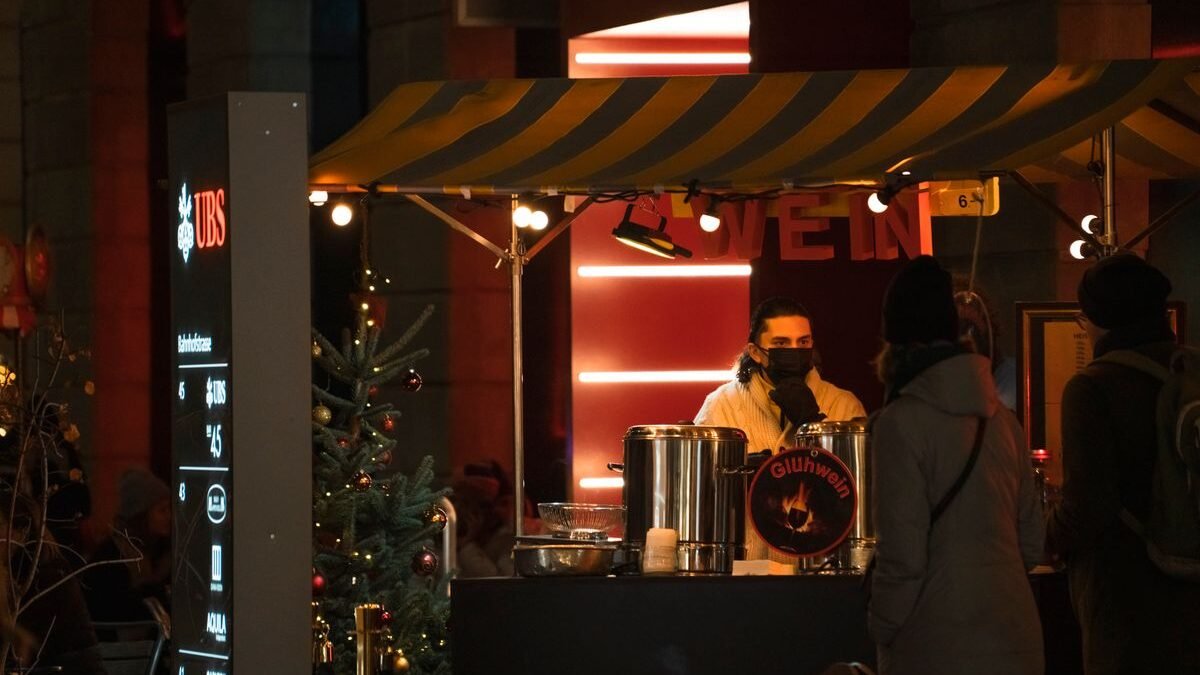
This year’s markets feature the now-familiar mix of mulled wine, traditional food stalls, craft vendors and ice rinks, alongside expanded programming of choral performances and craft demonstrations that market organisers say have become an increasingly important part of the visitor experience beyond simple shopping and food.
The tourism dimension
Tourism officials in all three capitals describe the Christmas markets as an increasingly important part of their broader winter tourism strategy, building on the strong, consistent tourism performance the region has recorded across multiple seasons this year, and positioning the Baltic capitals as genuine winter city-break destinations rather than purely summer or shoulder-season draws.
What the season means for local economies
Beyond the direct economic impact on market vendors and suppliers, city officials point to broader spillover benefits for hospitality, retail and cultural venues during what would otherwise be one of the quieter stretches of the tourism calendar, making the markets a deliberate, strategic piece of each city’s year-round tourism planning rather than simply an incidental seasonal tradition. Early visitor figures from opening weekend suggest attendance running ahead of last year across all three markets, consistent with the improved consumer confidence and strong holiday spending intentions documented in recent survey data, though market organisers caution that the true test of the season’s success will come only once the full six-week run concludes in late December. Hotel bookings tied specifically to Christmas market visits have also risen this year, tourism boards report, a trend they expect to continue strengthening as the region’s reputation as a winter destination grows further. Coordinated marketing between the three capitals’ tourism boards has expanded this year as well, with joint promotional campaigns encouraging visitors to combine stops in more than one city during a single winter trip, an approach officials say reflects growing confidence in the region’s collective appeal as a winter travel circuit rather than three separate, competing destinations.