
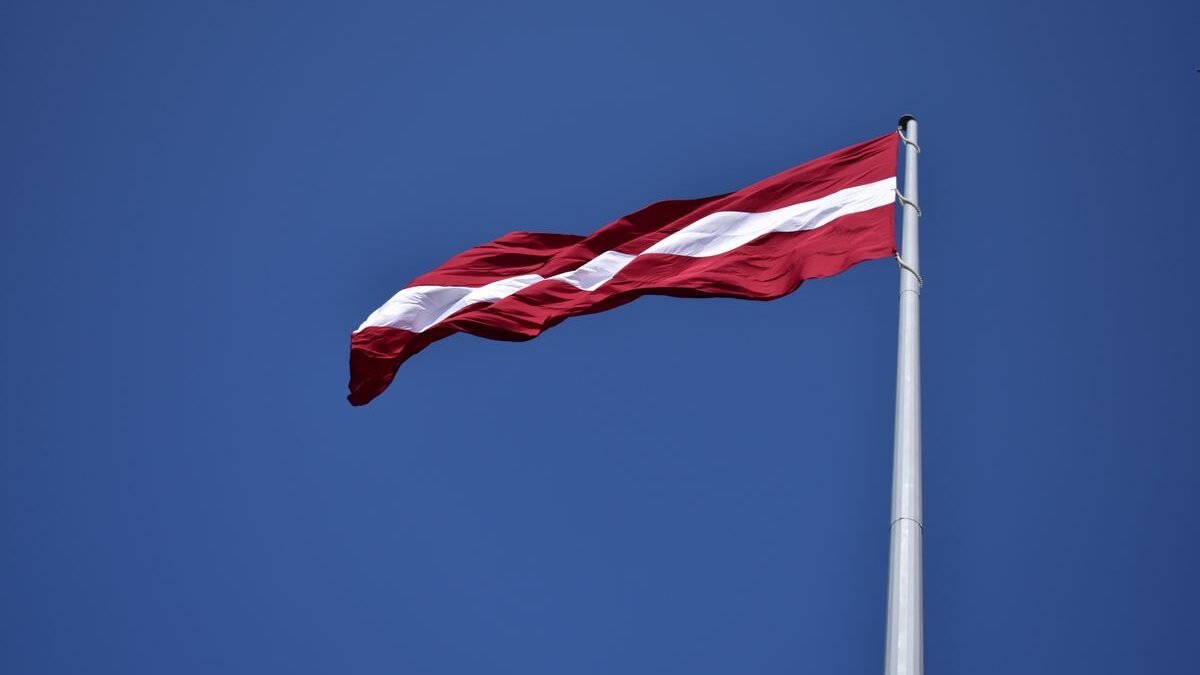
Latvia marks its Independence Day today, commemorating 108 years since the country’s declaration of statehood on November 18, 1918, a milestone this year’s commemorations arrive at against a backdrop of renewed national reflection on what sustaining that independence actually requires, a theme raised in yesterday’s commentary on the anniversary.
- Latvia declared independence on November 18, 1918, amid the collapse of the Russian and German empires
- Latvia’s independence was interrupted by Soviet and Nazi German occupation from 1940 to 1991
- Latvia restored independence on May 4, 1990, with full international recognition following in 1991
- November 18 has been marked as Latvia’s official Independence Day since the country’s founding
The history behind the date
Latvia’s 1918 declaration came amid the chaotic final months of the First World War, as the collapse of both the Russian and German empires created a brief window of opportunity that independence movements across the region, including in Lithuania and Estonia, moved quickly to seize. The People’s Council of Latvia proclaimed independence in Riga on November 18, beginning a period of independent statehood that would last just over two decades before Soviet occupation in 1940.
How the anniversary is marked today
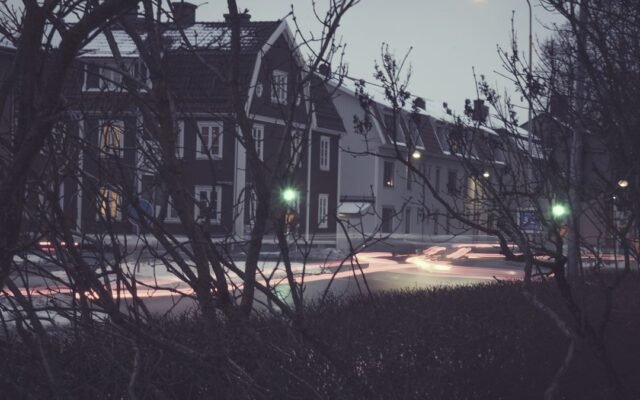
Official commemorations include a formal ceremony at the Freedom Monument in Riga, a presidential address, and military parades, alongside widespread private observance including candles placed in windows across the country after dark, a tradition specific to Latvian Independence Day observance that gives the evening a distinctive visual character across cities and towns nationwide.
How the meaning of the day has evolved
Historians note that Independence Day’s significance has shifted generationally, from a day of restrained, sometimes risky private observance during the Soviet occupation period, when public celebration was suppressed, to today’s open, officially sanctioned national holiday marked by state ceremony and widespread public participation, a transformation that itself reflects the country’s broader post-1991 trajectory.
This year’s particular resonance
This year’s observance arrives amid the heightened security consciousness that has shaped much of 2026’s political conversation, with several of today’s official addresses expected to draw explicit connections between the historical struggle for independence and the ongoing work of sustaining it amid current regional security challenges.
What the day means across generations
For older Latvians who remember Soviet-era restrictions on independence commemoration, today’s open, widely attended celebrations carry a weight that younger generations, who have only known Latvia as an independent, EU and NATO member state, sometimes experience differently, a generational gap in lived experience that educators and cultural institutions have worked deliberately to bridge through historical education efforts throughout the year. Latvian communities abroad, including the diaspora populations that played a prominent role in this year’s parliamentary election, also hold their own Independence Day commemorations, a tradition maintained continuously even during the Soviet occupation period when exile communities kept public celebration of Latvian independence alive precisely because it was suppressed at home. This evening’s candlelit windows across Riga and towns nationwide remain, organisers say, the most widely practised and visually distinctive element of the entire day’s observance.