
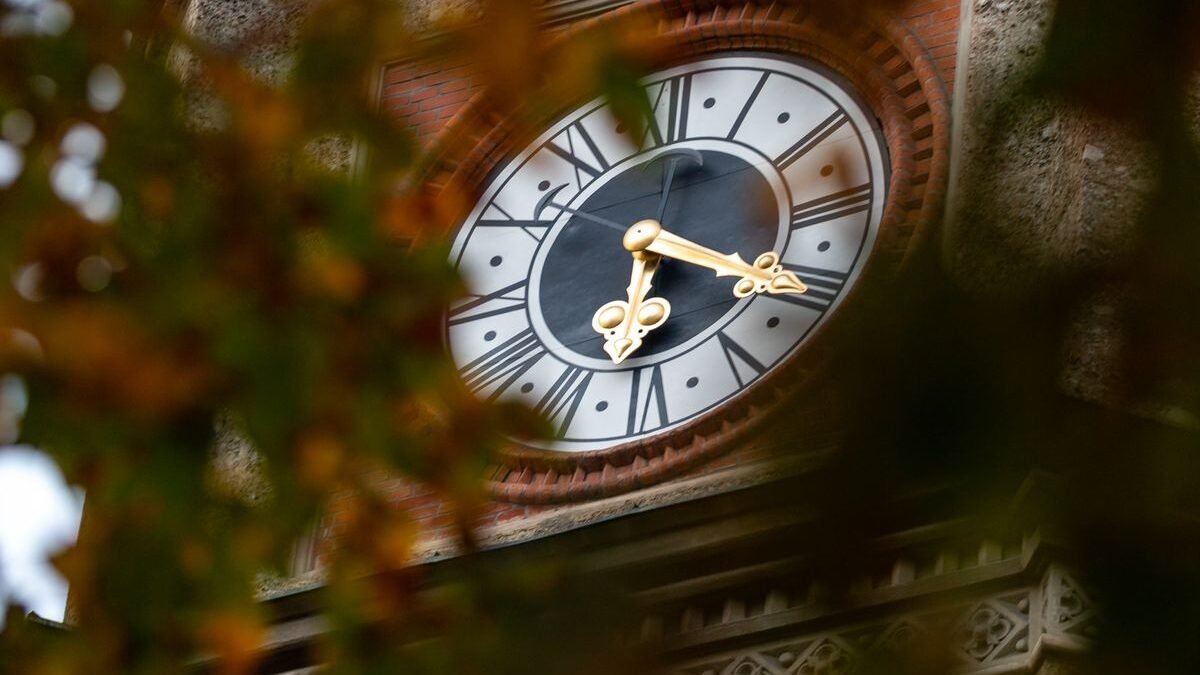
Clocks across Latvia, Lithuania and Estonia went back one hour early this morning as EU-wide daylight saving time ended, marking the formal transition into the darkest stretch of the Baltic calendar just days after recent coverage examined how residents cope with reduced daylight heading into winter.
What actually changes today
The shift moves an hour of daylight from evening to morning, meaning noticeably darker afternoons but slightly brighter mornings for the coming weeks, before the region’s overall daylight hours continue shrinking regardless of the clock change through to the winter solstice in late December. For most residents, the practical effect is an evening commute home that now begins in near or full darkness rather than the fading light of recent weeks.
A debate that hasn’t gone away
The biannual clock change continues amid a long-running, unresolved EU debate about abolishing seasonal time changes altogether. The European Parliament voted in 2019 to end the practice, but implementation has stalled for years amid disagreement among member states about whether to standardise permanently on summer or winter time, leaving the twice-yearly shift firmly in place for now across the entire bloc, Baltic states included.
Where Baltic officials stand on the debate
Latvia, Lithuania and Estonia have each previously indicated openness to ending the clock change but have stopped short of unilaterally abandoning the practice, wary of falling out of sync with neighbouring EU countries, particularly given the tightly integrated Nordic-Baltic electricity grid and cross-border commuting patterns that a mismatched time zone could complicate.
How the change affects daily life
Beyond the mood and energy considerations already shaping winter coverage this season, the clock change carries practical effects for public transport scheduling, school start times in the darkest months, and road safety, with traffic safety authorities in all three countries traditionally issuing seasonal reminders about increased pedestrian visibility risks during the first weeks after the change, when drivers and pedestrians alike are still adjusting to the new light patterns.
What comes next
Clocks will not change again until next spring, meaning the current time arrangement will govern the region’s shortest, darkest days through the winter solstice and into the new year. Public opinion surveys conducted periodically across the EU have shown majority support for ending the biannual clock change for years, though the specific preference between permanent summer and permanent winter time varies enough between member states that Brussels has been unable to broker the unanimous agreement needed to finalise a bloc-wide standard, leaving individual countries reluctant to act alone. For now, Baltic residents adjust to the change much as they have every year, with the shift serving less as a genuine surprise than as an annual, well-anticipated marker of the season’s turn toward winter’s shortest and darkest days. Sleep researchers note the transition, while minor compared with jet lag across time zones, can still disrupt sleep patterns for several days, particularly among children and older adults, a minor but real seasonal adjustment period repeated every autumn across the region. Parenting forums across the Baltics see a predictable annual spike in discussion threads about managing young children’s sleep schedules around the change, a small but recurring sign of how thoroughly this twice-yearly ritual has embedded itself into the region’s domestic routines despite the unresolved EU-level debate over whether it should continue at all.