
Ceremonies across Latvia, Lithuania and Estonia today marked the anniversary of the fall of the Berlin Wall, an event that, while geographically distant from the Baltic states, carries particular resonance in a region that spent decades under the same Soviet system the Wall’s collapse helped bring down.
- The Berlin Wall fell on November 9, 1989, roughly two and a half months after the Baltic Way human chain
- All three Baltic states restored full independence within two years of the Wall’s fall, between 1990 and 1991
- November 9 is not an official public holiday in any of the three Baltic states, but is marked with commemorative events
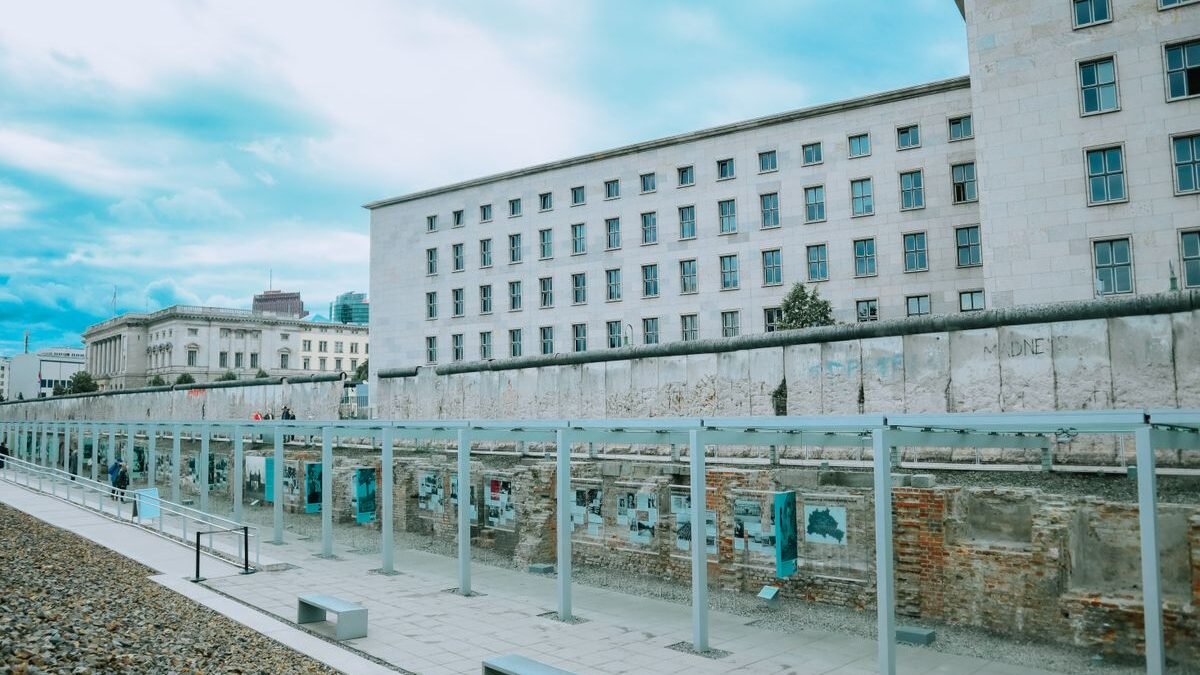
- The Berlin Wall Memorial in Berlin remains a frequent destination for Baltic school history trips
Why the anniversary resonates in the Baltics specifically
Historians note that the Wall’s fall came just months after the Baltic Way, the 1989 human chain that first signalled the scale of organised independence sentiment across the region, making November 1989 part of a compressed, remarkable sequence of events that historians increasingly treat as a single interconnected story of the Soviet system’s collapse rather than a series of unrelated national developments.
How the day is marked locally
Commemorations this year included joint events with German diplomatic missions in all three capitals, alongside school programming connecting the Wall’s fall to the broader history of Soviet occupation and eventual independence, building on the historical education efforts already visible in this year’s Baltic Way anniversary commemorations in August.
What historians emphasise about the connection
Baltic historians are careful to note that the Wall’s fall didn’t directly cause Baltic independence, which followed its own separate, locally driven political process over the following two years. But most agree the events were connected through a shared broader collapse of Soviet authority across Eastern Europe, with each development reinforcing momentum for the others across the region during an extraordinarily compressed historical period.
A younger generation’s relationship to the anniversary
Teachers report that connecting the geographically distant Berlin Wall to Baltic students’ own national histories has become an increasingly important part of history curricula, helping students understand their own countries’ independence not as an isolated national story but as part of a broader European transformation that reshaped the entire continent within a remarkably short span of years.
What the day means today
Diplomatic officials from Germany and the Baltic states used today’s commemorations to draw explicit connections between the historical anniversary and current European security concerns, framing the Wall’s fall as a reminder of how quickly seemingly permanent political arrangements can change, a message several speakers noted carries particular weight given the security anxieties shaping regional politics this year. German ambassadors in all three Baltic capitals hosted joint commemorative events this year, part of a longstanding diplomatic tradition emphasising the shared history between Germany’s own reunification and the Baltic states’ independence movements, both of which unfolded within the same remarkable two-year window between 1989 and 1991. Museum exhibitions timed to the anniversary in all three capitals this week drew notably higher attendance than in previous years, curators say, a pattern they attribute to the same renewed public interest in occupation-era history that has shaped much of the region’s cultural calendar throughout 2026.