

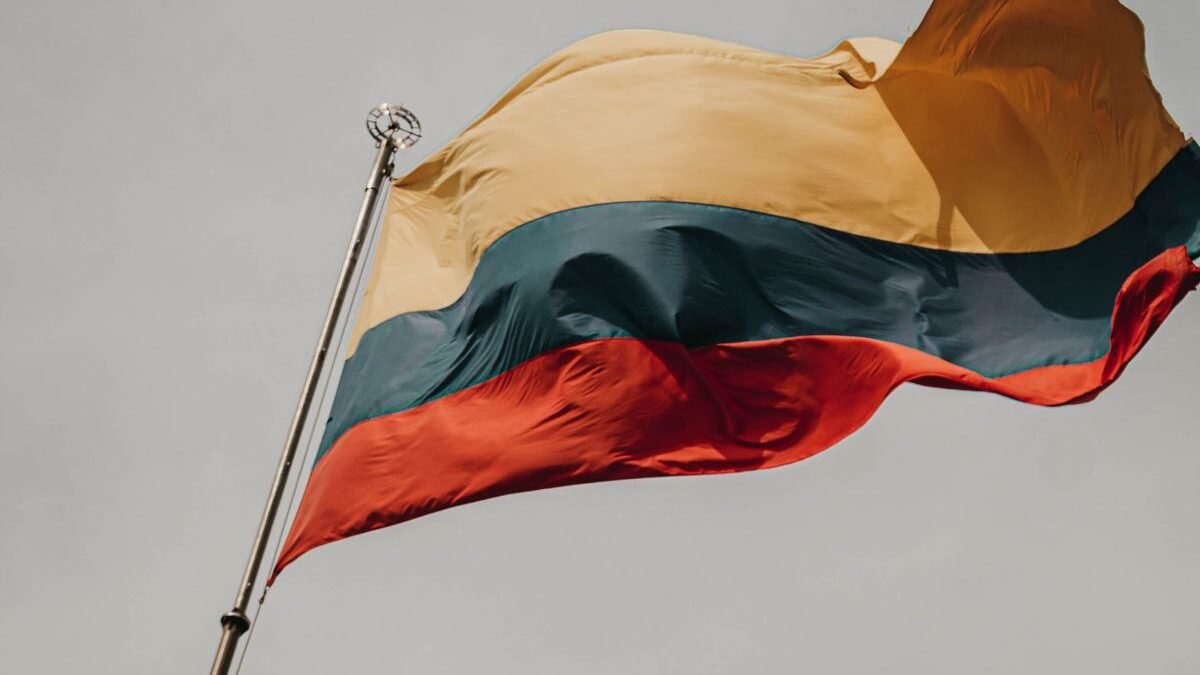
Lithuania marks Statehood Day today, commemorating the 1253 coronation of King Mindaugas — the only king Lithuania has ever had — and in recent years the holiday has taken on a noticeably different tone than it carried a decade ago, shifting from a quiet historical footnote toward one of the country’s more visibly attended national occasions.
What actually happened in 1253
Mindaugas’ coronation, believed to have taken place on July 6, 1253, followed his conversion to Christianity and recognition by Pope Innocent IV, making Lithuania briefly a recognised Christian kingdom before it later became a grand duchy under his successors. The event is one of the few precisely dated moments from Lithuania’s medieval history, which is part of why July 6 was chosen, rather than any of several other candidate dates tied to the country’s more recent 20th-century independence movements.
A holiday that has grown in visibility
Statehood Day has been an official holiday since 1991, but attendance at public commemorations — flag-raising ceremonies, concerts on Cathedral Square in Vilnius, and events in Kernavė, the medieval capital linked to Mindaugas’ rule — has trended upward over the past several years. Historians attribute the shift partly to the broader wave of national identity emphasis that has swept the Baltic states since 2022, as public interest in pre-Soviet and medieval history has grown alongside heightened security concerns.
Where the trend is heading
Rimvydas Petrauskas, a medieval historian at Vilnius University, says the growing interest reflects something beyond nostalgia. “Reaching back to Mindaugas gives Lithuanians a national narrative that predates and outlasts Soviet occupation entirely — it’s a useful anchor when people are thinking hard about what long-term national resilience actually looks like,” he said.
This year’s events include the traditional flag-raising at Vilnius’ Gediminas Tower at sunrise, a formal ceremony at the Presidential Palace, and evening concerts in Kernavė’s archaeological reserve, a UNESCO World Heritage site. Kernavė’s archaeological reserve recorded roughly 45,000 visitors last July, up from around 30,000 five years earlier, according to figures from the site’s cultural reserve administration — a trajectory local officials expect this year’s Statehood Day events to extend further, mirroring the broader trend toward heritage tourism seen across the Baltics this summer, including the open-air festival season already underway across the region. Lithuanian diaspora communities in Chicago, London and Dublin also mark the day with smaller gatherings, a tradition embassy officials say has grown alongside renewed interest in Lithuanian heritage among younger diaspora members born abroad.
A day shared, if unevenly, across the region
Latvia and Estonia do not mark July 6 as a public holiday, but officials from both countries traditionally send messages of goodwill to Vilnius, a small but consistent gesture of Baltic solidarity that has continued regardless of shifts in each country’s domestic politics. As Lithuania’s own political attention increasingly turns toward defence and regional security this year, Statehood Day offers a rare moment where the public conversation turns instead to history, identity, and continuity — three themes that seem, if anything, to be resonating more rather than less as the decade continues.