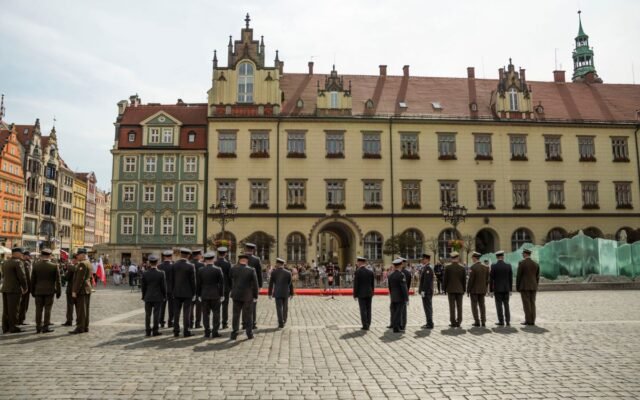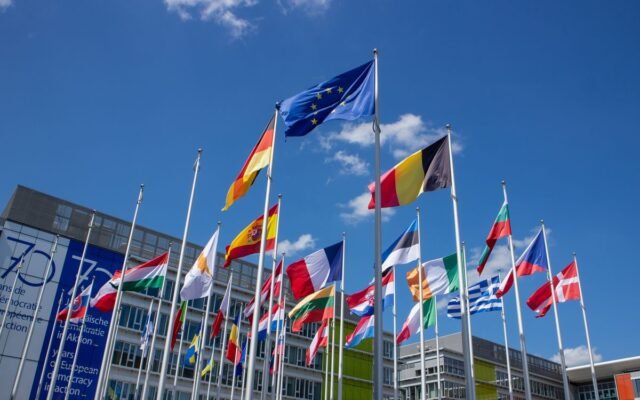

Diplomats packing for Ankara this week carry more than briefing books. For the Baltic states, next week’s NATO summit is where four months of quiet lobbying either turns into hard commitments — more rotational troops, denser air defence, sustained backing for Ukraine — or gets diluted into another round of carefully worded communiqué language.
The scene has become familiar since 2022: Baltic officials arriving at NATO gatherings armed with maps showing how close Russian territory sits to Narva, Daugavpils or the Suwałki Gap, making the case that what looks like a regional concern from Lisbon or Rome is, in Vilnius, Riga and Tallinn, a matter of a few hundred kilometres.
A shopping list years in the making
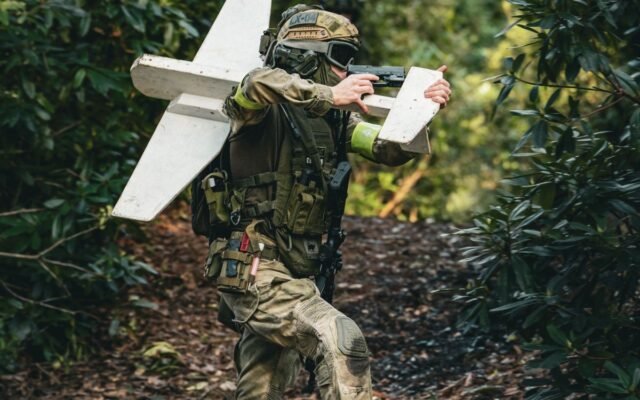
This year’s ask is specific. Baltic defence ministries want the enhanced Forward Land Forces battlegroups — currently framed as brigade-sized in Lithuania, Latvia and Estonia — fully resourced rather than nominally declared, along with additional Patriot and NASAMS batteries to close gaps in ground-based air defence exposed during recent drone incidents along the eastern border.
Lithuanian officials have also pressed allies to formalise longer rotations for the German brigade stationed near Rūdninkai, arguing that six-month troop swaps undercut the readiness the deployment is meant to provide.
Ukraine, still the backdrop
Support for Kyiv remains the summit’s other pressure point. Baltic leaders, who collectively spend among the highest shares of GDP on defence in the alliance, are expected to press wealthier allies to match that commitment in aid to Ukraine, warning that any sign of fatigue in Washington or Berlin sends the wrong signal to Moscow less than 200 kilometres from Narva.
What Ankara can realistically deliver
Alliance diplomats caution against expecting sweeping announcements. NATO summits increasingly function as checkpoints on commitments made months earlier — in this case, at February’s defence ministerial — rather than venues for new pledges. A joint statement on eastern flank reinforcement is expected, though the precise force numbers are likely to stay classified or vague.
Coordination among the three capitals has grown tighter this year, with joint working groups between Vilnius, Riga and Tallinn drafting shared position papers ahead of major NATO meetings rather than each state lobbying alone — a shift officials credit with giving smaller allies more leverage in Brussels-based planning sessions. The summit also lands amid domestic scrutiny: opposition politicians in Riga and Vilnius have questioned whether defence spending increases are matched by faster procurement, a critique likely to resurface regardless of what Ankara produces.
Still, for officials from three countries with a combined population smaller than Greater London, even incremental progress matters. As one Estonian foreign ministry adviser put it ahead of departure, the goal in Ankara is less about winning applause and more about “making sure the frontline states are still the ones setting the agenda, not just responding to it.”
The summit runs July 7–8, with a full assessment of outcomes for the region due once leaders return home and the concrete commitments — rather than the pre-summit asks — can be measured against what allies actually deliver.