
The Ankara summit closed last night, and for the diplomats who spent months preparing the Baltic case for more troops, denser air defence and sustained Ukraine support, the flight home offers time to weigh what was actually won against what was merely restated.
Inside the conference venue on Ankara’s outskirts, delegations from the three Baltic states kept a visibly tighter joint schedule than in previous years, coordinating statements between sessions in a shared briefing room — a small, practical step short of the unified position some analysts had called for, but a noticeable change from past summits.
1. Air defence gets real, if modest, new hardware
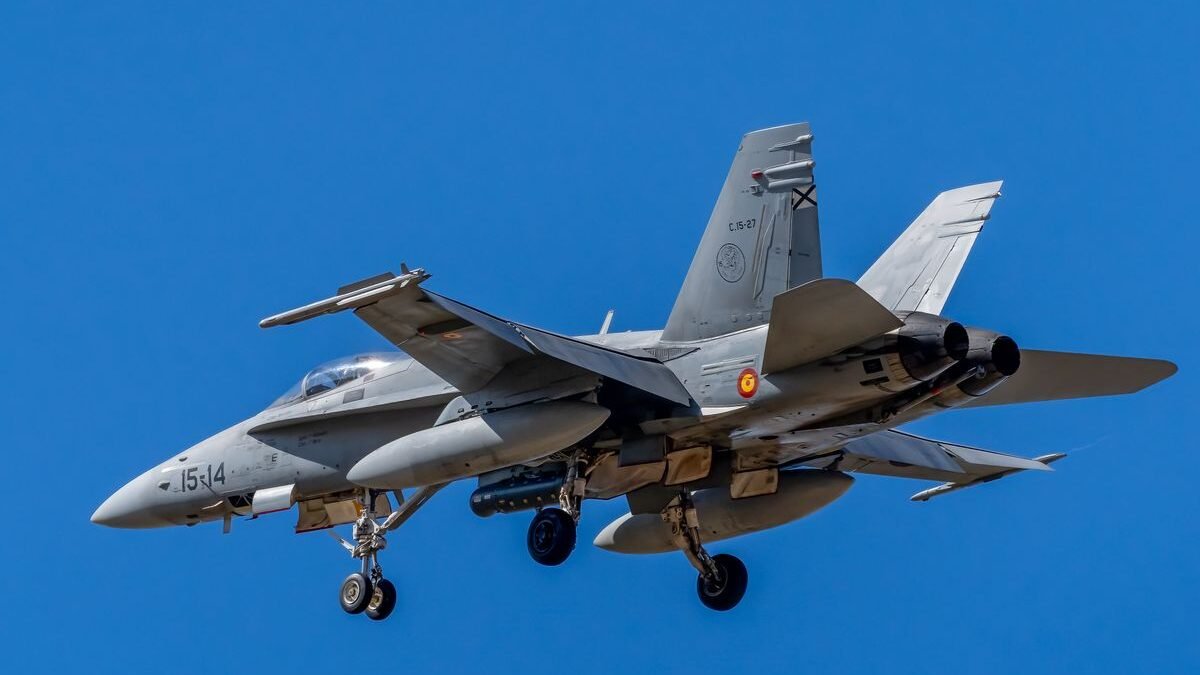
The clearest concrete outcome is additional NASAMS and Patriot coverage allocated to the Baltic region, confirmed in yesterday’s opening-day communiqué and firmed up in today’s closing statement with a rough delivery window of “within 18 months.” It’s short of the fully layered system Baltic officials wanted, but it’s more specific than most summit pledges of the past two years.
2. Troop rotations may finally get longer
Lithuania’s push for extended rotations of the German-led brigade near Rūdninkai appears to have gained real traction, with allied officials signalling a shift toward 12-month deployments rather than the current six-month cycle, though a final decision awaits national parliamentary approval in Berlin.
3. The unified voice problem didn’t go away
Despite pre-summit criticism that Vilnius, Riga and Tallinn were pursuing three overlapping asks rather than one shared position, little changed in practice. Each delegation continued to lead with its own national priority in bilateral meetings, even as officials privately acknowledged the case for closer coordination.
4. Ukraine’s status remains unresolved
Baltic leaders pressed hard for language committing allies to sustained, not just current-level, support for Kyiv. The final communiqué’s Ukraine section uses notably firmer language than previous summits but still avoids the binding membership timeline the Baltic states, alongside Poland, have quietly favoured.
5. The real test is delivery, not the document
Baltic officials leaving Ankara were careful to temper expectations, noting that summit communiqués have a mixed record of translating into deployed capability on the timeline promised. Estonia’s delegation in particular flagged the gap between February’s ministerial pledges and what had actually been delivered by July as the benchmark they expect Ankara’s promises to be judged against.
Whatever the final scorecard, officials from all three capitals described the summit as incrementally useful rather than transformative — a description that, four years into the current phase of heightened alert along NATO’s eastern flank, has itself become a familiar refrain.