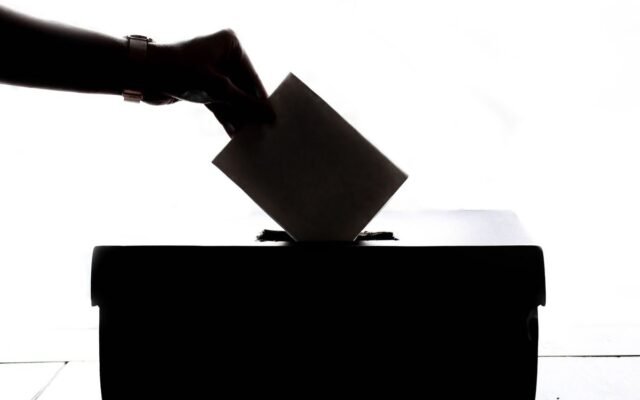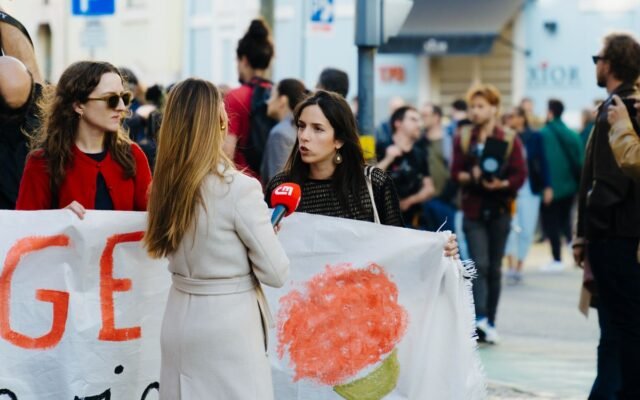


With exactly one month until Latvians go to the polls, campaign events across the country have shifted from broad positioning to sharper, more targeted messaging, as parties race to convert the roughly one-in-five still-undecided voters flagged in last month’s polling into declared support.
Cost of living remains the dominant theme
Campaign monitoring by local media and polling firms confirms cost-of-living concerns continue to dominate voter attention, with candidates across the political spectrum leaning heavily on messaging about grocery prices, housing costs and wages regardless of their party’s broader ideological positioning. The governing coalition continues pointing to July’s VAT reduction on staple foods as evidence of concrete action, while opposition parties argue the relief has been too narrow to meaningfully change household budgets.
Security messaging holds steady but hasn’t grown
Defence and security messaging, which spiked over the summer alongside NATO summit coverage and a run of border incidents, has settled into a steady secondary theme rather than continuing to grow, according to campaign analysts tracking candidate messaging. Parties emphasising security credentials continue to perform well with older voters in particular, while younger voters consistently rank cost-of-living issues as their top concern in campaign polling.
A late-emerging housing debate
Housing affordability has emerged as a more prominent campaign theme in the past month than earlier in the cycle, with several parties introducing specific housing policy proposals for the first time, ranging from expanded state-backed mortgage guarantee programmes to proposed limits on short-term rental conversions in central Riga. Polling firms report the undecided share has narrowed only slightly since mid-August, from roughly 22% to around 19%, a pace slower than in the 2022 campaign cycle at the equivalent stage.
What the final month typically brings
Campaign strategists across party lines describe the final month before a Latvian election as historically decisive for the large undecided bloc, with debate performances, late-breaking news events and get-out-the-vote operations often mattering more than the substance of policy platforms already largely settled by this stage. Campaign finance disclosures show overall spending running slightly ahead of 2022 levels in nominal terms, driven largely by increased digital and social media advertising rather than traditional television and print spending.
Television debates begin next week, with the first head-to-head format expected to draw the campaign’s largest audience of the cycle so far. Regional campaign offices report a noticeable uptick in volunteer sign-ups compared with the equivalent point in the 2022 cycle, a trend some strategists attribute to heightened public engagement around this year’s security and cost-of-living debates, even as that same engagement hasn’t yet translated into a smaller undecided bloc. Latvia’s Central Election Commission has also expanded advance voting locations this year, part of a broader effort to make participation easier for voters in rural areas and for Latvians living abroad, a group whose ballots have taken on added significance given how tightly contested current polling suggests the race may prove.