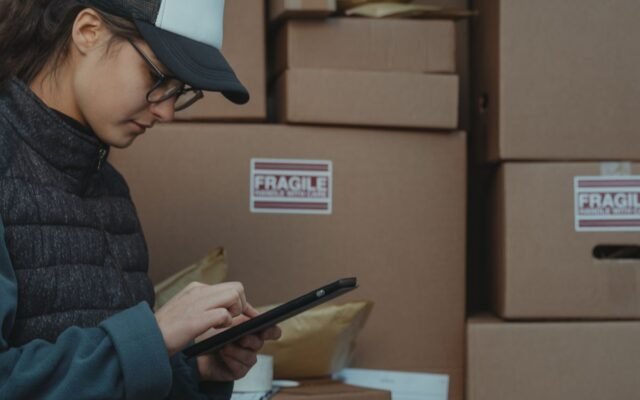

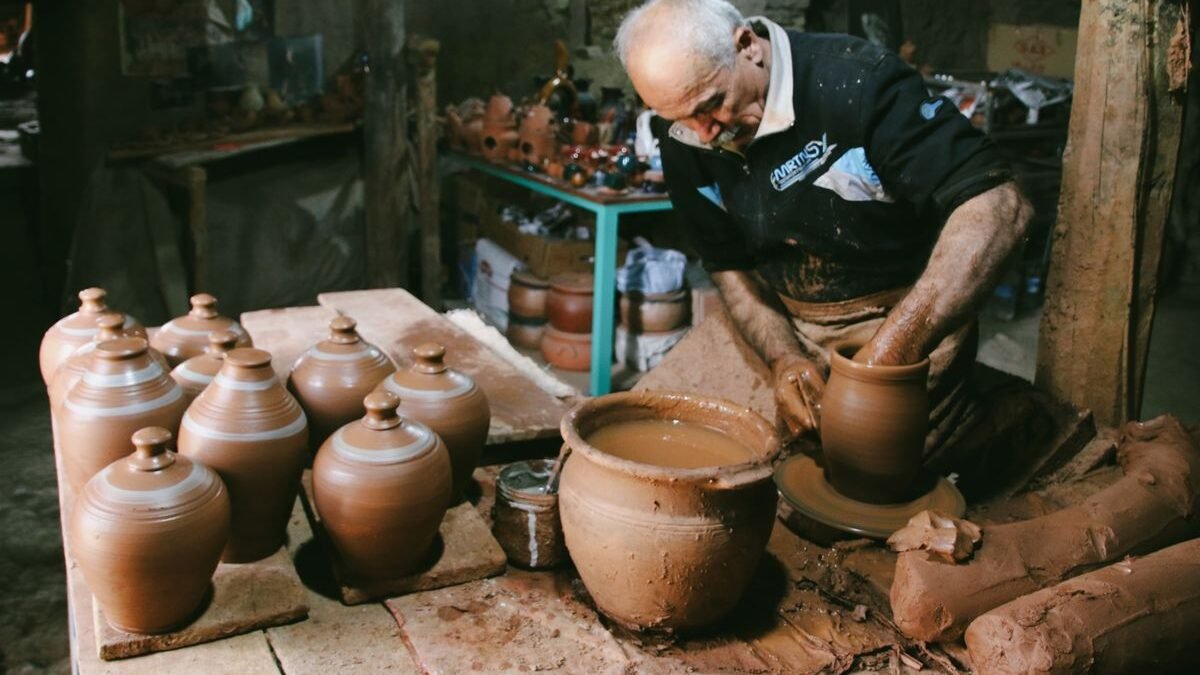
Baltic craft producers, once confined to weekend markets and local fairs, are increasingly finding buyers well beyond their home countries, as small ceramics studios, textile workshops and woodcraft businesses report a sustained rise in export orders through online marketplaces this year.
From market stalls to international carts
“Five years ago, ninety percent of what we sold left the studio in a shopping bag,” said Laura Bērziņa, founder of a Riga ceramics studio that now ships roughly a third of its output abroad. “Today it’s closer to half going into a courier van addressed to Germany, the Netherlands or Sweden.” Bērziņa’s experience mirrors a broader shift documented by the Latvian Chamber of Commerce and Industry, which reports that small craft and design businesses registering for export documentation has climbed steadily since 2023, a trend it links to the wider push by Baltic e-commerce firms into neighbouring markets.
What’s driving demand
Trade advisor Baiba Bāls points to a mix of factors: growing Western European interest in handmade and locally sourced goods, improved cross-border shipping logistics, and social media platforms that let small producers reach niche buyers directly without a retail middleman. “A single well-photographed product can find its market of a few hundred buyers scattered across a dozen countries, which simply wasn’t feasible when you depended on a physical shop,” Bāls said. Amber jewellery, linen textiles, wooden kitchenware and hand-thrown ceramics have proven the most exportable categories, she added, in part because they carry a distinct regional identity that larger manufacturers cannot easily replicate.
The obstacles that remain
Scaling remains difficult for many producers. Customs paperwork, VAT registration in destination countries and the sheer time cost of packaging and shipping individually made items all eat into margins that are already thin for handmade goods. Several producers interviewed said they had turned down bulk orders they could not fulfil without hiring additional staff, a step that carries real risk for businesses accustomed to operating as sole proprietors or small family teams. Currency fluctuations and variable courier pricing between EU states add further unpredictability to what is, for most, still a part-time or supplementary income stream rather than a primary business.
Where the growth goes next
Industry groups in all three Baltic states are now exploring shared export platforms that would let small producers pool shipping costs and marketing efforts rather than each building an online export operation from scratch. Whether that materialises before the next holiday shopping season remains to be seen, but for now, individual producers like Bērziņa say the demand itself is not in question. “The market found us before we really went looking for it,” she said. “The challenge now is just keeping up.”
Lessons from the ones who scaled
A handful of producers have managed the jump to something closer to a genuine export business rather than a supplementary income stream, typically by specialising narrowly, focusing on a single strong product line rather than a broad catalogue, and partnering with a small number of reliable distributors in target markets rather than trying to manage direct-to-consumer shipping at volume themselves. Bērziņa says her studio took that route roughly eighteen months ago, working with a Berlin-based homeware distributor rather than continuing to ship individual orders herself. “It meant giving up some margin, but it also meant I could actually plan production instead of reacting order by order,” she said. Trade advisors describe this shift, from direct online sales to distributor partnerships, as the natural next step for craft producers serious about sustained export growth, even if it requires giving up some of the personal, direct-to-customer relationship that many producers value about selling their own work.