
With Latvia’s Independence Day arriving tomorrow, and coming just a day after parliament passed the new government’s first budget, it’s worth pausing on an uncomfortable truth: independence anniversaries are only meaningful commemorations if the security underpinning that independence is treated as something requiring continuous work, not something to be assumed.
A pattern worth naming honestly
Every November, ceremonies across Latvia mark the country’s 1918 declaration of independence with genuine, warranted pride. But there’s a risk in treating these commemorations as backward-looking celebrations alone, disconnected from the harder, less comfortable question of whether today’s policy choices actually sustain the independence being celebrated, rather than simply inheriting and enjoying it.
What this year makes harder to ignore
This year offers less room than most for comfortable distance between commemoration and current reality. A fragmented election, a monthslong coalition negotiation, a steady drumbeat of border incidents, and a budget vote that only barely secured the defence spending trajectory allies have been counting on — none of these developments threaten Latvia’s independence outright, but together they’re a reminder that independence, once won, still requires continuous, unglamorous maintenance rather than periodic celebration.
The gap between rhetoric and follow-through
Every major party in this year’s election claimed to prioritise security and defence. Far fewer have shown the sustained willingness to make the harder trade-offs, on taxation, on other spending priorities, on politically costly reform, that actually translate rhetorical commitment into the kind of durable institutional capacity that keeps a small country secure over the long run rather than merely well-intentioned in any given election cycle.
Why this critique applies beyond Latvia
This isn’t a uniquely Latvian problem. Lithuania and Estonia face versions of the same tension between the comfortable rhetoric of independence commemoration and the harder, ongoing work of translating that commitment into durable institutional capacity. The Baltic states’ entire post-1991 project has always rested on the assumption that independence, once achieved, still needs active, continuous defending, an assumption this year’s events have tested more directly than most previous years.
What tomorrow’s ceremonies should actually prompt
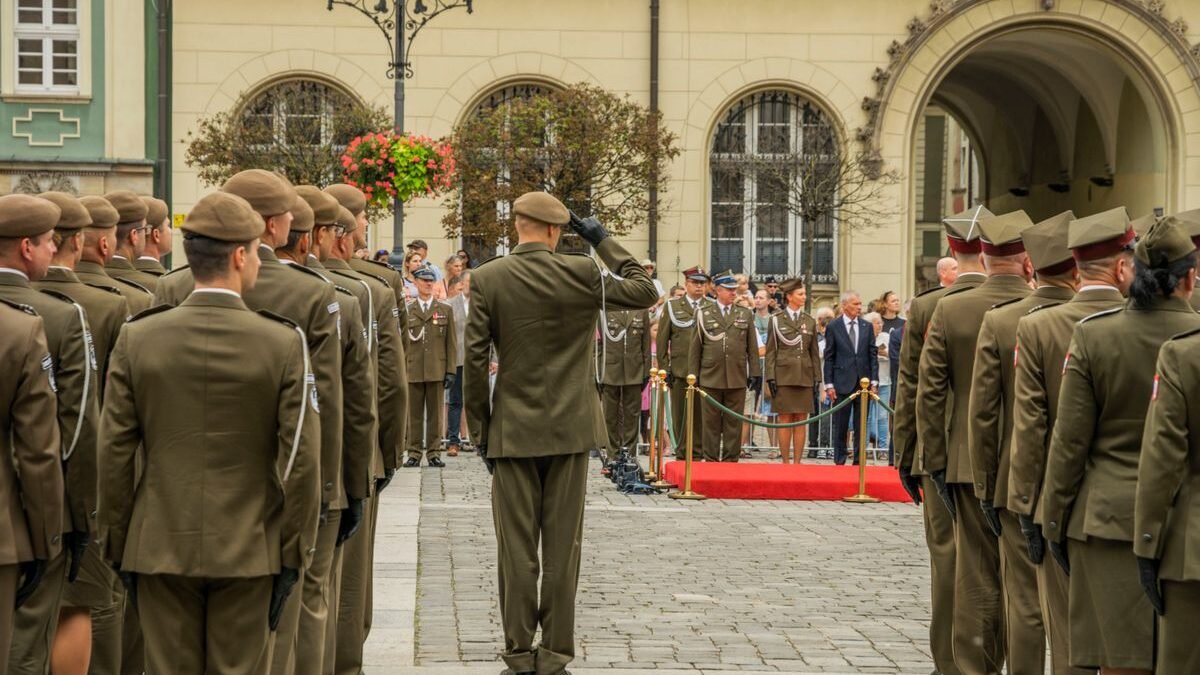
None of this means tomorrow’s Independence Day ceremonies shouldn’t be genuinely celebratory. They should. But the most honest way to mark 108 years of Latvian statehood might be treating the anniversary less as a completed achievement and more as an ongoing project, one whose continuation depends on choices being made in budget votes, coalition negotiations and defence procurement decisions this year, not just on what was declared in 1918. That framing isn’t meant to diminish the genuine achievement of a century-plus of Latvian statehood, interrupted as it was by decades of occupation. It’s meant to insist that the achievement remains, in a very real sense, unfinished business rather than a settled historical fact, particularly in a security environment that has made that unfinished quality harder to overlook with each passing year. If this year’s ceremonies carry an edge alongside their celebration, that edge seems, on balance, worth preserving rather than smoothing away, precisely because it keeps the anniversary honest about what independence actually requires to endure.