
Opinion — With Latvians voting in nine days, it’s worth asking a question that polling alone can’t fully answer: has the sheer accumulation of consequential elections and crises since 2022 left voters not divided so much as simply exhausted, and what would that mean for the health of Baltic democracy if true?
The exhaustion hypothesis
The evidence for genuine voter fatigue is circumstantial but suggestive. The unusually large undecided bloc documented in recent polling could reflect careful deliberation, as some voters describe it, or it could reflect something closer to disengagement — a reluctance to invest emotional energy in a choice among options that, after years of crisis-mode governing, feel less distinguishable from each other than party platforms suggest.
Why this moment is different from past elections
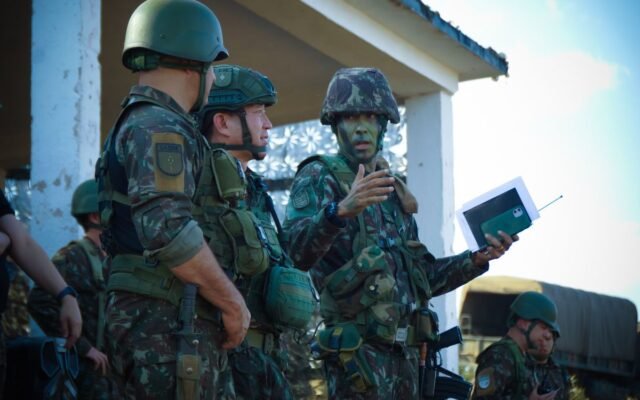
Latvian voters have faced an unusually dense sequence of high-stakes moments since 2022: a full-scale war on the EU’s doorstep, a currency and inflation shock, a sustained defence spending ramp-up, and now a border security environment defined by near-constant low-level incidents. Political scientists studying democratic fatigue elsewhere in Europe note that sustained crisis governance, even when handled competently, tends to erode voter enthusiasm over time regardless of outcomes.
The counter-argument
It’s worth taking seriously the alternative explanation: that today’s undecided voters aren’t fatigued but simply more discerning, less willing to commit reflexively to a party out of habit or tribal loyalty. Under this reading, a large undecided bloc this late in a campaign is a sign of a healthily skeptical electorate rather than a disengaged one. Similar patterns of stubbornly large undecided blocs and softening turnout have appeared in recent elections across several EU member states navigating their own versions of sustained crisis governance.
Why the distinction matters
The two explanations point toward very different diagnoses. Fatigue suggests a democracy at risk of declining turnout and weakening civic engagement over time. Discernment suggests a democracy functioning roughly as intended, with voters withholding commitment until genuinely persuaded. Latvia’s turnout figure on October 3, compared against 2022’s near-60% baseline, will offer at least a partial answer, even if it can’t fully separate the two explanations from each other.
What’s actually at stake either way
Whichever explanation proves closer to the truth, the practical stakes remain the same: a fragmented, uncertain electorate produces a fragmented, uncertain governing coalition, extending the very pattern of cautious, consensus-seeking governance that may be contributing to voter fatigue in the first place. Whatever Latvians decide on October 3, the more interesting question for those watching from Vilnius, Tallinn and Brussels may be whether this year’s unusually undecided electorate represents a temporary blip tied to an unusually demanding few years, or a durable shift in how a new generation of Baltic voters relates to party politics altogether. It’s a question worth revisiting regardless of Saturday’s specific outcome, since neither explanation disappears simply because one party or another wins a plurality of seats. The deeper pattern, whichever label fits it best, will likely outlast this particular election cycle.