
Communities across Latvia, Lithuania and Estonia are gathering today to mark the 37th anniversary of the Baltic Way, with commemorative events ranging from formal state ceremonies in the three capitals to smaller local gatherings retracing sections of the original 1989 human chain route.
- The original 1989 Baltic Way chain stretched roughly 600 kilometres from Tallinn to Vilnius
- This year’s anniversary events include ceremonies at all three national parliaments
- The Baltic Way is included in UNESCO’s Memory of the World register, added in 2009
- August 23 is officially observed as European Day of Remembrance for Victims of Stalinism and Nazism
How each capital is marking the day
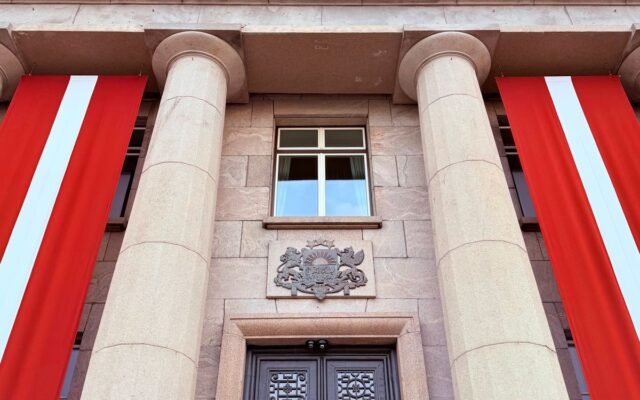
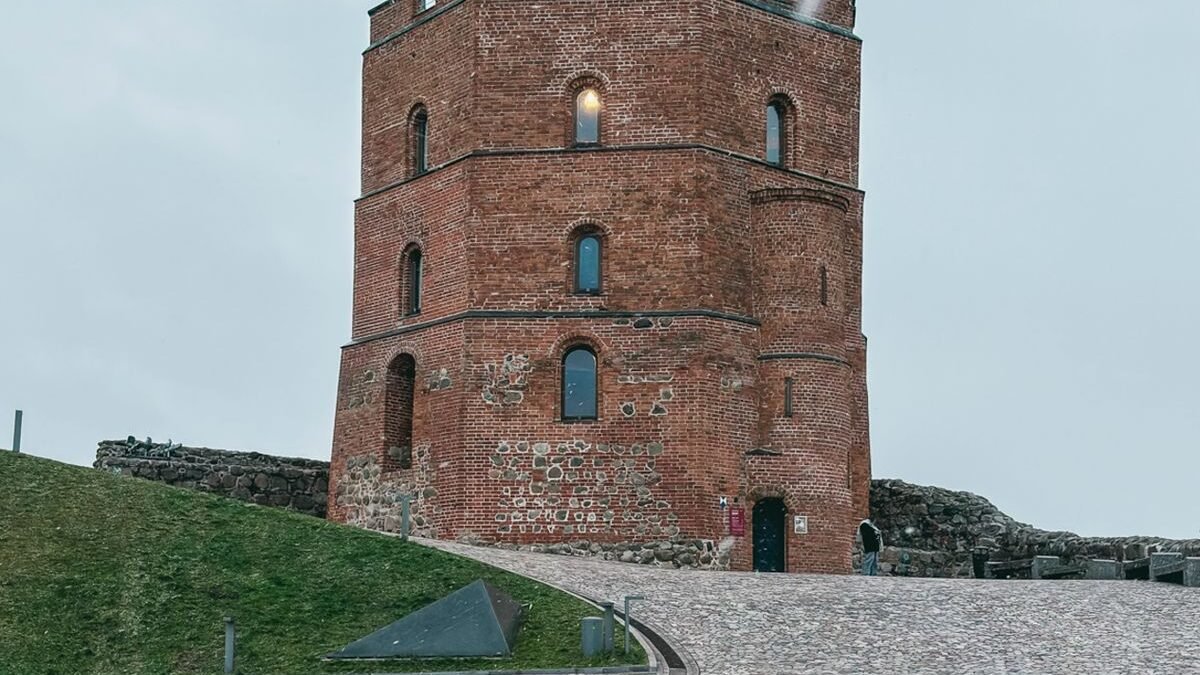
Vilnius has organised a formal wreath-laying ceremony at its parliament building, followed by a public gathering along a preserved section of the original chain route. Riga’s commemorations centre on the Freedom Monument, while Tallinn’s events combine an official state ceremony with school programming designed to introduce the history to students too young to have direct family memory of the event, as detailed in this week’s explainer on the 1989 chain itself. This year’s Vilnius ceremony drew several thousand attendees, according to city officials, roughly in line with recent years despite a light rain that fell through much of the morning event.
Why historians say the framing matters this year
Dr. Toomas Hiio, a historian at the Estonian Institute of Historical Memory, argues that anniversaries like this one carry particular weight amid the current security environment. “In 1989, the chain was about demonstrating that ordinary people, acting together, could push back against an occupying power without weapons,” he said. “That message doesn’t feel like ancient history right now — it feels current.”
A shared date with wider European meaning
August 23’s dual significance — as both the Baltic Way anniversary and the EU-recognised European Day of Remembrance for Victims of Stalinism and Nazism — has drawn commemorative statements from European Commission officials and several EU member state governments this year, part of what officials in Brussels describe as growing institutional emphasis on the shared history of Soviet and Nazi occupation across Central and Eastern Europe.
Participation trends
Organisers in all three countries report steady or growing attendance at commemorative events over the past several years, a trend historians attribute to the broader renewed interest in pre-Soviet and occupation-era history that has intensified since 2022. Lithuanian, Latvian and Estonian diplomatic missions abroad have also organised smaller commemorative gatherings in cities with significant Baltic diaspora populations, including Chicago, London and Toronto, continuing a practice that has grown steadily over the past decade. Officials in all three countries say they expect the anniversary’s profile to keep growing rather than fade, describing it as one of the rare commemorative dates that resonates as strongly with younger generations as with those old enough to remember 1989 directly.