

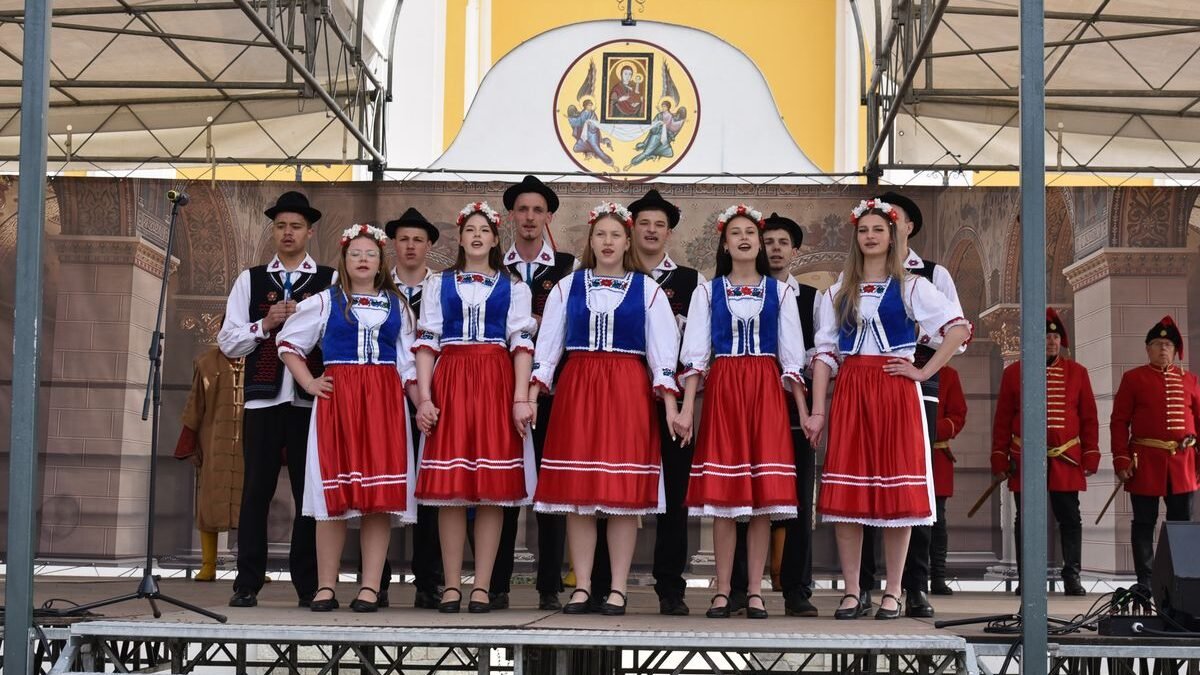
As choir rehearsals fill town halls and school gymnasiums across Latvia, Lithuania and Estonia this month ahead of summer song festival season, the deeper question animating music teachers and cultural officials alike is whether a tradition built on mass participation can keep drawing young people in an era of shrinking birth rates and fragmenting attention spans.
A tradition built on scale
The Baltic song and dance festival tradition, inscribed on UNESCO’s Representative List of the Intangible Cultural Heritage of Humanity, depends on numbers that would be unthinkable for most cultural events: Estonia’s Laulupidu alone has drawn choirs and audiences well into six figures in past editions, built on a pyramid of local and regional rehearsals that begins years before the main event.
Where participation is holding steady — and where it isn’t
National choir associations report a mixed picture. Youth choir membership in Estonia has held roughly stable over the past five years, buoyed by mandatory or near-mandatory participation in many schools’ music curricula. Latvia and Lithuania report softer numbers in urban centres, where competing extracurricular activities and, choir directors say, declining school-age populations have thinned some youth ensembles even as adult participation has held up. Estonia’s national choir umbrella organisation counts roughly 34,000 active singers enrolled in its member choirs this year, comparable to figures from five years ago. Lithuania’s equivalent body reports a decline of around 9% in urban youth choirs over the same period, even as rural and school-based participation has proven more resilient.
Why the tradition still matters, according to those who run it
Ilze Vītola, who has directed a youth choir in Cēsis for over fifteen years, argues the tradition’s resilience comes from what it offers beyond music. “You cannot replicate the feeling of standing in a field with ten thousand other singers with anything on a screen,” she said. “That’s exactly why we have to work harder now to get young people in the room the first time — after that, most of them stay.”
Adaptations underway
Festival organisers across the three countries have introduced changes aimed at younger participants: shorter rehearsal commitments, more contemporary repertoire alongside traditional folk songs, and, in Lithuania, a pilot programme pairing school choirs with professional musicians for workshops ahead of this year’s open-air festival season. For now, the tradition’s defenders take some comfort in a pattern they’ve observed before: interest tends to surge in the months directly preceding a national festival, suggesting this year’s rehearsal-hall enthusiasm may be as much about timing as about any deeper generational shift.