

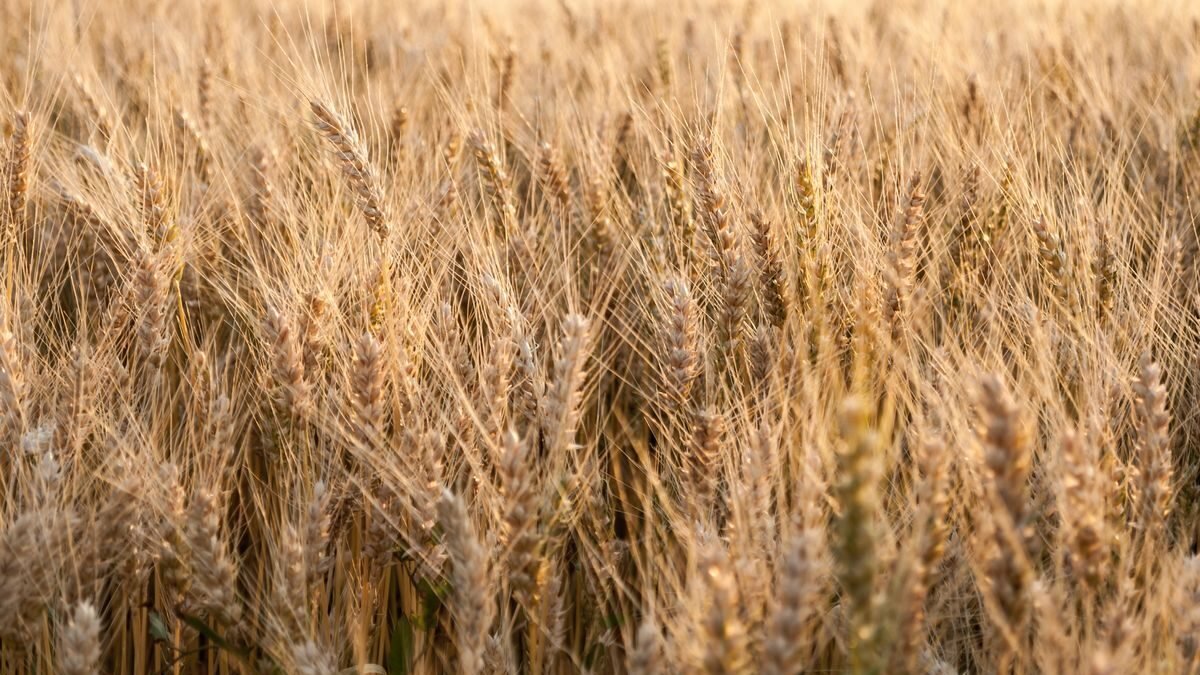
With Jāņi and Midsummer celebrations now a month behind, folklorists across Latvia, Lithuania and Estonia are turning attention to the next stretch of the traditional calendar — a sequence of harvest festivals and seasonal observances that, while less internationally known than Midsummer, remain deeply embedded in rural community life across the region.
- Latvia’s Miķeļi harvest festival, traditionally observed around September 29, marks the symbolic end of the agricultural year
- Lithuania’s Rasos and harvest-related customs trace elements back to pre-Christian agrarian calendars
- Estonia’s Mardipäev and Kadripäev in November mark separate but related harvest and winter-preparation traditions
- UNESCO recognised the Baltic song and dance tradition as intangible cultural heritage in 2003, later extended to 2008
A calendar still tied to the land
Dr. Aiga Bērziņa, an ethnologist at the Latvian Academy of Culture, explains that the harvest-season traditions carry a different character than Midsummer’s outdoor celebration. “Jāņi is public, loud, meant to be shared with everyone. The autumn traditions are quieter, more domestic — about closing out the agricultural year and preparing for winter,” she said, noting that many customs originally tied to specific farming milestones have persisted even as the share of the population working in agriculture has shrunk dramatically.
How rural and urban observance differ
Folklorists describe a split pattern: rural communities, particularly those with continued agricultural livelihoods, maintain more of the traditional harvest customs in something closer to their original form, while urban populations engage primarily through organised cultural events, museum programming and, increasingly, social media content aimed at introducing younger urban audiences to traditions they may not have grown up practising directly.
Why interest has grown rather than faded
Rather than declining, engagement with these autumn traditions has grown modestly over the past decade, according to cultural heritage researchers, part of a broader pattern of renewed interest in pre-Soviet and folk cultural practices that has intensified since 2022 — a trend also visible in the choral traditions being passed to a new generation this summer. Estonia’s Open Air Museum in Tallinn reports visitor numbers for its autumn harvest programming have grown roughly 40% over the past five years, a trend museum staff attribute to deliberate efforts to make the events more interactive rather than purely observational. Similar growth has been recorded at Lithuania’s Rumšiškės open-air museum, where harvest-season demonstrations of traditional grain threshing and bread-baking have become a fixture of the autumn school field-trip calendar across the country.
What’s planned this year
Cultural centres across all three countries are preparing an expanded calendar of harvest-season events for September and October, including open farm days, craft markets and school programmes designed explicitly to connect younger participants with practices that, as recently as a generation ago, were simply part of ordinary rural life rather than something requiring active cultural preservation.