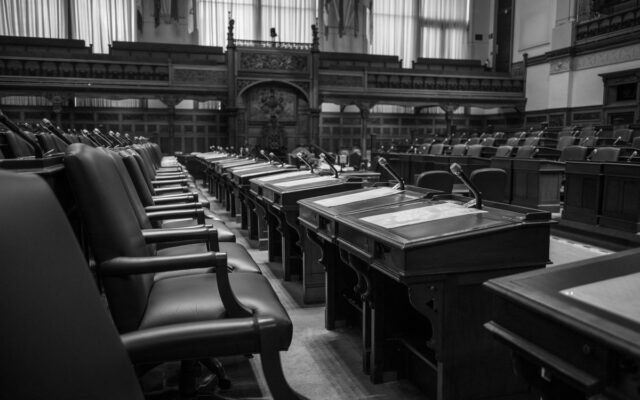

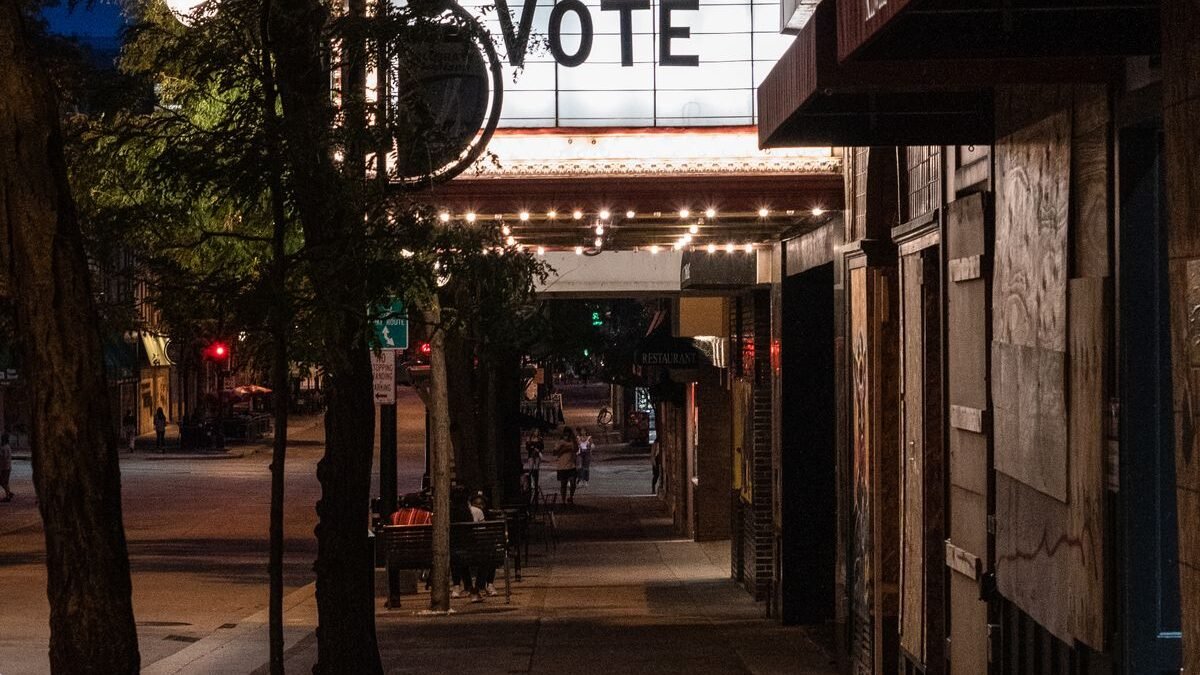
With polls opening in Latvia tomorrow morning, tonight marks the traditional campaign silence period, when parties are barred from further public campaigning and the country’s political conversation shifts from persuasion to anticipation.
How the campaign’s final days unfolded
The past 48 hours brought a final wave of activity before this week’s closing arguments gave way to the legally mandated quiet period. Overseas voting, including the diaspora turnout documented earlier this week, wrapped up alongside the final domestic advance voting window, with election officials reporting strong participation in both channels relative to 2022.
Where the polls landed before silence took effect
The last published polling, released just before the campaign silence period began, showed the National Alliance holding its lead as the single largest party, with Prime Minister Kulbergs’ three coalition parties collectively polling in the mid-30s. The undecided share, while narrower than at any earlier point in the campaign, remained unusually large by historical standards heading into election day itself.
What each major party is counting on
The governing coalition is banking on delivered policy — the VAT reduction, sustained defence spending, relative economic stability — proving more persuasive in the voting booth than it appeared in months of polling. The National Alliance is counting on its younger candidate slate and security-focused messaging converting its polling lead into an actual seat advantage. Smaller parties near the 5% threshold are simply hoping their core supporters turn out reliably enough to clear the bar.
The quiet before results
Latvian election law prohibits campaigning, including social media promotion by parties and candidates, during this final silence period, a tradition intended to give voters a final day to reflect without active persuasion. Election observers, including the OSCE delegation present throughout the campaign, will begin formal monitoring of polling stations as they open tomorrow morning.
What tomorrow holds
Polling stations open at 7am and close at 8pm, with first exit poll indications expected shortly after voting concludes and preliminary official results trickling in through the night. For a campaign defined by an unusually large undecided bloc and persistent voter fatigue concerns, tomorrow’s turnout figures will offer the first hard data point in a campaign that has, until now, been measured almost entirely through polling. Television broadcasters across the country have cleared their schedules for extended election-night coverage, a production undertaking now familiar after several consecutive closely watched election cycles, with major networks planning to stay on air well past midnight as results continue arriving from precincts across all five of Latvia’s historical regions. Newsroom preparations across the country’s major outlets mirrored the broadcasters’ own, with several publications planning live, continuously updated results coverage through the night, a format that has become standard practice for Latvian elections since results reporting shifted toward real-time digital updates over the past decade, replacing the periodic print-era practice of waiting for the following morning’s newspaper for full results.