

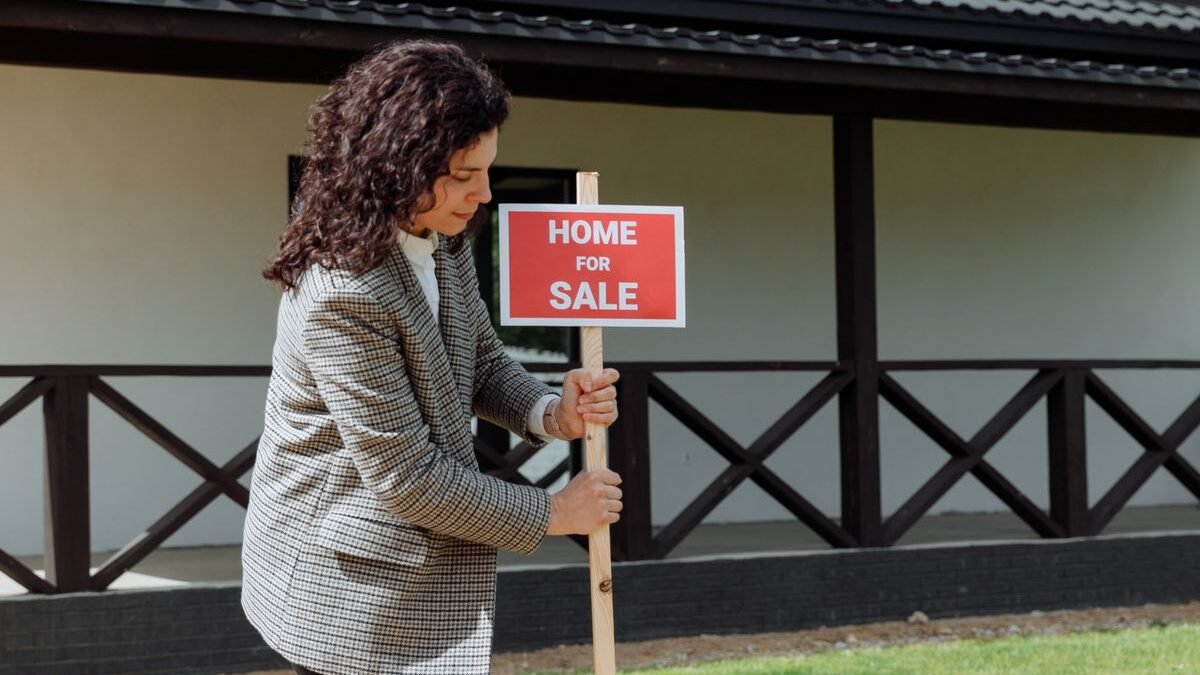
The rapid price growth that defined Baltic housing markets through much of the summer has begun visibly slowing over the past six weeks, as elevated mortgage rates finally appear to be dampening buyer demand across all three capitals after months of resilient price appreciation.
How the slowdown built
The shift traces back to early August, when mortgage approval volumes in Latvia and Lithuania first showed month-on-month declines after a strong first half of the year. By September, real estate agents in Riga and Vilnius were reporting noticeably longer viewing-to-offer timelines than during the brisk market conditions described in July’s capital-by-capital price comparison, when Vilnius in particular was recording near double-digit annual price growth.
What’s driving buyers to pause
Kaspars Roze, head of a Riga-based real estate agency, said rising borrowing costs have simply priced some previously qualified buyers out of the market entirely. “Six months ago a buyer could stretch to afford a certain apartment. Now, with rates where they are, that same buyer’s maximum budget has shrunk enough to change what’s actually available to them,” he said.
How the three markets are diverging further
Tallinn, which had already cooled earlier in the year, has seen the slowdown extend into modest month-on-month price declines in some districts, according to Estonian property data. Vilnius, despite slowing, remains the strongest of the three markets, with prices still up year-on-year even as the pace of growth has clearly eased. Riga sits between the two, with price growth flattening but not yet reversing.
What economists expect next
Baiba Krūmiņa, chief economist at Citadele Bank, said the cooling reflects mortgage rates working as intended rather than signalling a deeper economic problem. “This is closer to a normal market adjustment than a crisis. Prices grew faster than incomes for a while, and now that gap is closing somewhat,” she said. Mortgage lenders across all three countries report a shift toward longer loan terms as buyers attempt to manage monthly payments despite higher rates, a trend that has kept transaction volumes from falling as sharply as price growth alone might suggest.
Rental markets have not cooled at the same pace as sales prices, with landlords in all three capitals reporting steady or rising rents even as home sales slow, a divergence economists attribute to renters facing the same affordability pressures as would-be buyers without the option of simply waiting out the market. First-time buyers, who make up a disproportionate share of the market segment most sensitive to mortgage rate changes, have been hit hardest by the slowdown in approval volumes, according to banking sector data, even as sellers in all three capitals have generally proven reluctant to lower asking prices meaningfully in response, preferring instead to let properties sit on the market longer rather than accept offers well below their initial expectations — a standoff real estate agents describe as typical of early-stage market cooling.